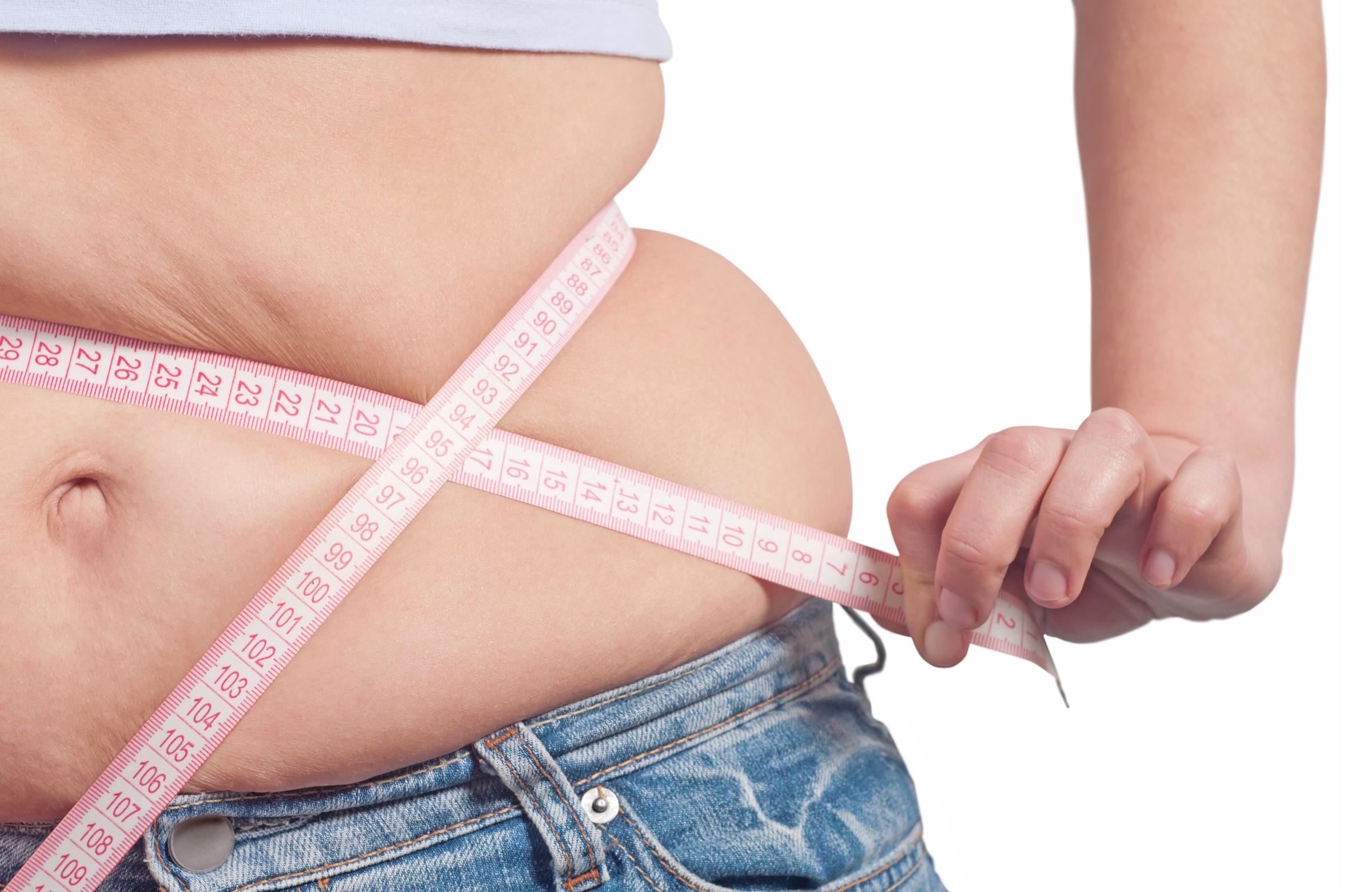

A study involving over 5,500 individuals indicates that hormone level monitoring and weight control are essential measures to avoid premature death.
Key Points
- Adults over age 50 with both abdominal obesity and vitamin D deficiency had a 123% higher risk of death over six years compared to those with neither condition.
- Vitamin D deficiency alone posed a greater risk (91% increased) than abdominal obesity alone (47% increased). The study showed that when the two conditions occur together, the risk of death more than doubles.
- Abdominal obesity and low vitamin D may reinforce one another: excess abdominal fat can reduce circulating vitamin D availability, while low vitamin D may contribute to immune dysfunction and inflammation, highlighting the importance of monitoring vitamin D status, especially in people with abdominal obesity.
 São Paulo Research Foundation, August 04, 2026 – A study of more than 5,500 people over the age of 50 has raised a red flag: it found that people with abdominal obesity and vitamin D deficiency have a 123% higher risk of death than those without these conditions. Results of the study published in the journal Diabetes, Obesity and Metabolism indicate that although each condition is dangerous on its own, they multiply the risk of mortality when present together.
“Abdominal obesity is a well-known risk factor because it’s associated with inflammation and metabolic problems. Vitamin D, on the other hand, is a hormone that acts on various organs, and its deficiency impairs several bodily functions. When these two conditions occur together, one amplifies the effects of the other, further increasing the risk of death,” explains Tiago Silva Alexandre, a professor in the Department of Gerontology at the Federal University of São Carlos (UFSCar) in Brazil, who coordinated the study.
“For that reason, monitoring vitamin D levels and treating excess abdominal fat are essential measures to prevent premature death, especially after age 50,” he adds.
Conducted in collaboration with the University College London (UCL) in the United Kingdom and funded by FAPESP, the research observed 5,520 individuals aged 50 and older over the course of six years. The participants were part of the English Longitudinal Study of Ageing (ELSA), one of the world’s largest aging studies.
Sampled data showed that vitamin D deficiency (levels below 30 nmol/L) alone poses a greater risk than abdominal obesity alone, which is defined as an abdominal circumference greater than 102 centimeters for men and 88 centimeters for women.
Having abdominal obesity alone increases the risk of death by 47%, while vitamin D deficiency alone can raise this risk by up to 91%. The study showed that when the two conditions occur together, the risk of death more than doubles.
According to Alexandre, the two conditions create a vicious cycle. Abdominal fat “sequesters” circulating vitamin D and stores it in adipocytes (fat cells), preventing the vitamin from reaching the bloodstream. “This means that although the body may have the vitamin stored in fat, it isn’t freely available in the blood to perform vital functions in other organs and systems,” he says. Another important factor is that obese individuals have lower expression of the enzymes necessary for vitamin D metabolism, which further reduces its availability.
“Abdominal obesity reduces circulating vitamin D, and that deficiency impairs the immune system, exacerbating the chronic inflammation caused by excess fat and drastically increasing the risk of mortality,” Alexandre explains to Agência FAPESP. Added to this is the fact that aging is naturally marked by a process known as inflammaging, a state of low-grade chronic inflammation.
“Under normal conditions, vitamin D acts as a regulator of the immune system, preventing inflammation from getting out of control. When vitamin D levels are low and there’s excess abdominal fat, an unfavorable systemic environment develops that accelerates cardiovascular and metabolic diseases, as well as muscle loss,” he stresses.
Cascade effect
This study is the latest in a series investigating the role of vitamin D in aging. “In previous studies, we identified a cascade effect. Vitamin D deficiency leads to a loss of strength, which results in reduced walking speed, causing a loss of independence and greater dependence in daily activities,” Alexandre explains (read more at agencia.fapesp.br/56984).
Additionally, another study by the group revealed that vitamin D deficiency increases the risk of cognitive decline. “Vitamin D is a hormone with various functions. It plays a role in regulating blood pressure, heart rate, the central nervous system, the immune system, and the endocrine system. Therefore, when its levels are low, several essential bodily functions are compromised,” he says.
About São Paulo Research Foundation (FAPESP)
The São Paulo Research Foundation (FAPESP) is a public institution with the mission of supporting scientific research in all fields of knowledge by awarding scholarships, fellowships and grants to investigators linked with higher education and research institutions in the State of São Paulo, Brazil. FAPESP is aware that the very best research can only be done by working with the best researchers internationally. Therefore, it has established partnerships with funding agencies, higher education, private companies, and research organizations in other countries known for the quality of their research and has been encouraging scientists funded by its grants to further develop their international collaboration. You can learn more about FAPESP at www.fapesp.br/en and visit FAPESP news agency at www.agencia.fapesp.br/en to keep updated with the latest scientific breakthroughs FAPESP helps achieve through its many programs, awards and research centers. You may also subscribe to FAPESP news agency at http://agencia.fapesp.br/subscribe
Media Contact
Heloisa Reinert Fundação de Amparo à Pesquisa do Estado de São Paulo hreinert@fapesp.br Cell: 55-11966392552
Measure Your Vitamin D Levels, Include Magnesium & Elements to Save 15% with Code ELEMENTS15
 Create your custom home blood spot kit to help determine if you are getting enough of the following nutrients shown to benefit overall health, along with other measures, including:
 Vitamin D
- Omega-3 Index plus Omega-3:Omega-6 and AA:EPA Ratios
- Magnesium (plus Zinc, Copper, Selenium, Lead, Cadmium & Mercury)
- hsCRP
- HbA1c
- Type 1 Diabetes Autoantibodies
- TSH
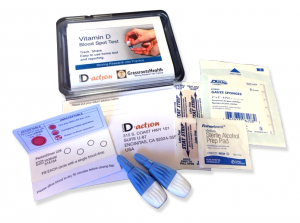 Vitamin D
Enroll and test your levels today, learn what steps to take to improve your status of omega-3s, vitamin D and other nutrients and blood markers, and take action! By enrolling in the GrassrootsHealth projects, you are not only contributing valuable information to everyone, you are also gaining knowledge about how you could improve your own health through measuring and tracking your nutrient status, and educating yourself on how to improve it. Enroll in D*action and Test Your Levels Today!