A new, large review of 78 RCTs finds improvements in blood pressure, blood sugar, cholesterol, body weight, inflammation, and more.
Key Points
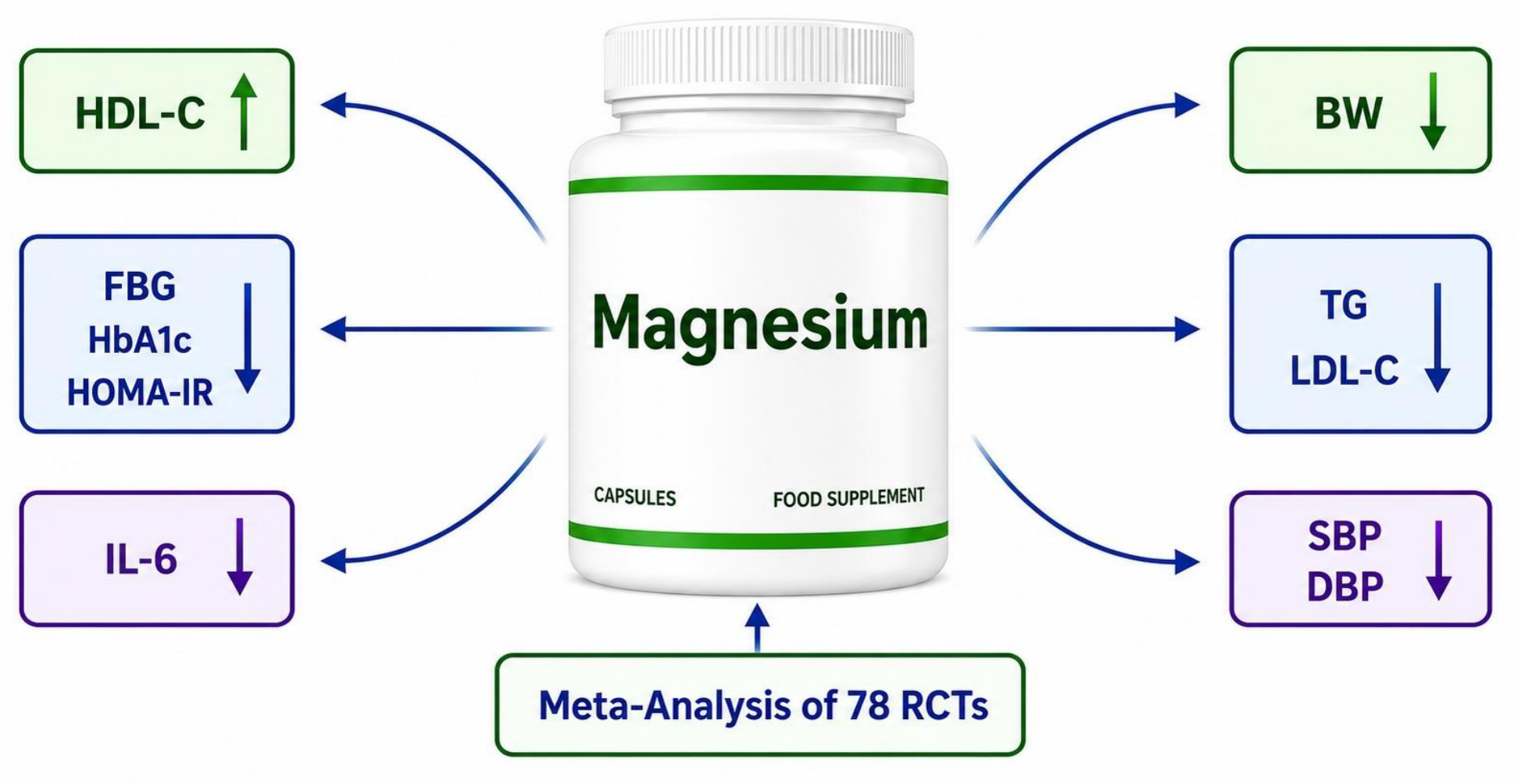
- A new systematic review of 78 randomized controlled trials found that magnesium supplementation improved multiple markers of cardiometabolic health, including blood pressure, blood sugar, cholesterol, insulin resistance, inflammation, and body weight.
- Magnesium plays an essential role in hundreds of enzymatic reactions that regulate energy production, glucose metabolism, cardiovascular function, and inflammation.
- While many of the improvements were modest, they occurred across numerous interconnected risk factors, highlighting magnesium’s broad role in supporting metabolic and cardiovascular health.
- Magnesium works closely with vitamin D, making adequate magnesium intake an important consideration for individuals seeking to optimize vitamin D status and overall health.
Cardiometabolic health refers to the health of the heart, blood vessels, and metabolic systems that regulate blood sugar, cholesterol, body weight, blood pressure, and inflammation. When these systems begin to function poorly, the risk of developing conditions such as type 2 diabetes, metabolic syndrome, heart disease, stroke, and kidney disease increases substantially.
Several key nutrients play a major role in maintaining cardiometabolic health, and one mineral receiving increasing scientific attention is magnesium. Magnesium is involved in more than 300 enzymatic reactions throughout the body, influencing everything from energy production and muscle function to insulin signaling, blood vessel relaxation, and vitamin D activation. Despite its importance, many people consume less magnesium than recommended and are suffering the health consequences.
Findings from 78 Randomized Controlled Trials
A new systematic review and dose-response meta-analysis by Mohammadi et al. provides one of the most comprehensive evaluations to date of magnesium supplementation and cardiometabolic health. Researchers analyzed data from 78 randomized controlled trials involving 5,226 participants to determine whether magnesium supplementation improves a wide range of cardiometabolic risk factors.
Across the 78 clinical trials, magnesium supplementation produced statistically significant improvements in numerous markers associated with cardiometabolic disease.

Better Blood Sugar Control
Several measures of glucose metabolism improved with magnesium supplementation. Compared to control groups, participants receiving magnesium experienced:
- Lower fasting blood glucose
- Lower HbA1c (a measure of long-term blood sugar control)
- Reduced insulin resistance (measured by HOMA-IR)
These findings support previous research suggesting that magnesium plays an important role in insulin sensitivity and glucose regulation, particularly among individuals with prediabetes, metabolic syndrome, and type 2 diabetes.
Improvements in Cholesterol
Magnesium supplementation also improved several aspects of lipid metabolism. The researchers observed:
- Lower LDL (“bad”) cholesterol
- Lower triglycerides
- Higher HDL (“good”) cholesterol
Although the changes were relatively modest, improving multiple lipid markers simultaneously may contribute to better long-term cardiovascular health.
Lower Blood Pressure
Blood pressure improvements were seen for both systolic and diastolic blood pressure. On average, magnesium supplementation lowered:
- Systolic blood pressure by approximately 2.5 mmHg
- Diastolic blood pressure by approximately 1.6 mmHg
While these reductions may appear small for an individual, even modest improvements across a population can translate into meaningful reductions in cardiovascular disease risk.
Reduced Inflammation
One particularly encouraging finding was a significant reduction in interleukin-6 (IL-6), an inflammatory signaling molecule associated with chronic inflammation and increased cardiometabolic risk. Interestingly, other inflammatory markers, including C-reactive protein (CRP) and TNF-α, were not significantly changed, suggesting that magnesium may influence specific inflammatory pathways more than others.
Small Reduction in Body Weight
Participants taking magnesium also experienced a modest reduction in body weight. Although magnesium did not significantly change body mass index (BMI), waist circumference, hip circumference, or body fat percentage, the decrease in body weight adds to the overall picture of improved metabolic health.
Effect of Dose and Duration
The authors examined how magnesium dose and treatment duration influenced outcomes. Most studies used doses of 300 mg/day or higher, and approximately two-thirds lasted at least 12 weeks. However, relatively few studies evaluated higher doses (500 mg/day or more) or interventions lasting longer than six months, highlighting an opportunity for future research.
Vitamin D, Magnesium, and Cardiometabolic Health
Magnesium and vitamin D work together to support many of the same biological processes involved in cardiometabolic health. Magnesium is required to activate vitamin D and serves as a cofactor for the enzymes that convert vitamin D into its active forms. Without adequate magnesium, vitamin D supplementation may be less effective, making it important to optimize both nutrients rather than focusing on vitamin D alone. In fact, research has shown that adequate magnesium intake may enhance vitamin D’s beneficial effects while reducing variability in individual responses to supplementation.
These findings are consistent with earlier research by Li et al., who analyzed data from more than 153,000 postmenopausal women and found that those with the highest dietary magnesium intake had a 16% lower risk of fatal coronary heart disease compared to those with the lowest intake. Additional studies have found that individuals with higher magnesium status tended to have healthier body composition and a lower risk of metabolic syndrome.
Together with this new review of 78 randomized controlled trials, the evidence continues to support magnesium as an important nutrient for maintaining healthy blood pressure, glucose metabolism, lipid balance, inflammation, and overall cardiometabolic health, especially when paired with optimal vitamin D status.
In Conclusion
Cardiometabolic diseases continue to be among the leading causes of illness and death worldwide, yet many of the underlying risk factors are influenced by nutrition and lifestyle. This comprehensive review demonstrates that magnesium supplementation can produce measurable improvements across multiple cardiometabolic markers simultaneously.
Although the individual changes were generally modest, their consistency across blood pressure, cholesterol, glucose metabolism, inflammation, and body weight suggests that magnesium is an important component of a comprehensive strategy for supporting long-term health. Combined with adequate vitamin D, a nutrient-rich diet, regular physical activity, and other healthy lifestyle habits, optimizing magnesium intake represents another practical step toward improving cardiometabolic health.
Measure Your Magnesium, Vitamin D, and Other Important Markers
If you haven’t had your vitamin D levels checked recently, now is the time! With so many Americans still falling short, awareness is the first step toward change.

Measuring and calculating a supplementation amount to help reach and maintain a target level, or taking loading doses to correct deficiency faster, could possibly make all the difference in overall health, wellbeing, and how a current disease situation progresses. Test your level now!
Create your custom home blood spot kit by adding any of the following measurements, along with your vitamin D:
- Omega-3 Index (with or without Ratios AA:EPA and Omega-6:Omega-3)
- Magnesium (with additional Elements copper, zinc, selenium, mercury, and cadmium)
- hsCRP as a marker of inflammation and HbA1c as a marker of blood sugar health
Having and maintaining healthy vitamin D levels and other nutrient levels can help improve your health, now and for the future. Enroll and test your levels today, learn what steps to take to improve your status of vitamin D (see below) and other nutrients and blood markers, and take action! By enrolling in the GrassrootsHealth projects, you are not only contributing valuable information to everyone, you are also gaining knowledge about how you could improve your own health through measuring and tracking your nutrient status, and educating yourself on how to improve it.