
Measure Your Levels of Magnesium and Other Elements

All are welcome to register and enroll in this project.

Could Magnesium Deficiency Be Affecting Your Health?

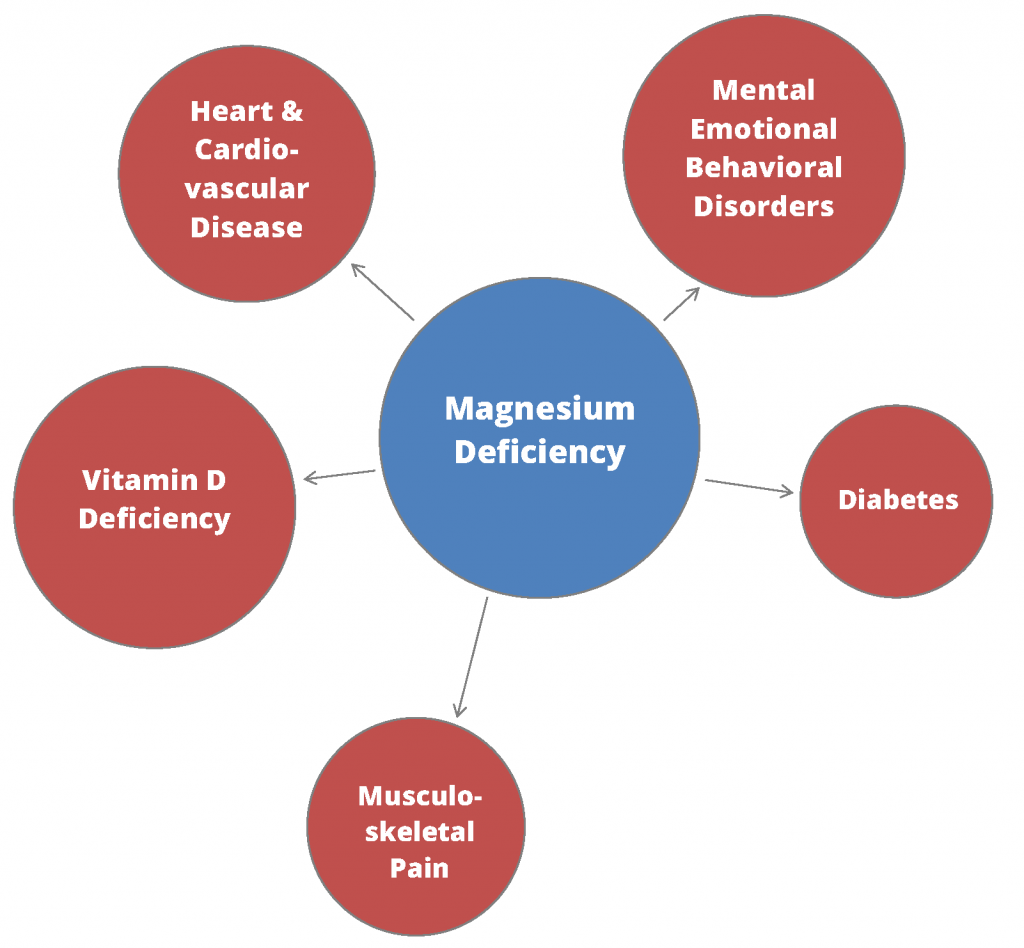
Over 45% of the US population consumes less than the average daily requirement of magnesium1, thus are very likely deficient. This widespread deficiency may be contributing to the rise in many health problems such as:

  • musculoskeletal pain
  • atrial fibrillation
  • stroke
  • heart failure
  • preeclampsia
  • bone health
  • mental, emotional & behavioral disorders
  • diabetes

Essential/Nutritional Elements:

  • Copper (deficiency can include neurological dysfunction and connective tissue abnormalities; can also be toxic)
  • Selenium (deficiency may lead to impairment of anti-oxidant actions and thyroid functions; can be severely toxic in excess)
  • Zinc (deficiency can lead to compromised immune function and wound healing, and can also affect taste and smell)
  • Zinc:Copper Ratio (too much copper in relation to zinc can lead to toxicity and cause zinc deficiency, leading to dysfunction)

Toxic Elements/Heavy Metals:

  • Cadmium (can accumulate in the kidneys and thyroid gland, and can contribute to thyroid issues, infertility, uterine fibroids, and other reproductive tract diseases)
  • Mercury (highly toxic heavy metal that can collect in the body’s tissues, especially the brain, where it can cause damage to the nervous system)

Essential to Thyroid Health

Several of the above elements can affect thyroid health.  Magnesium is a key nutrient in thyroid function and for the production of thyroid hormones. Studies have shown that magnesium may lower thyroid stimulating hormone and improve thyroid function and have linked low levels of magnesium to hyperthyroidism. Eight other minerals are also associated with thyroid hormone production and as cofactors in metabolic pathways. Of these eight, zinc, selenium, and copper are included in the Elements Panel, while toxic elements including cadmium and mercury can block thyroid hormone receptors and lead to thyroid imbalance.

Consider adding the Thyroid Stimulating Hormone (TSH) test or the Full Thyroid Panel to get a better idea of how your nutrient status may be affecting your thyroid health, and subsequently, the many symptoms associated with thyroid imbalance.

By participating in this project, you will learn your individual response to supplementation via blood testing and analysis of additional health details

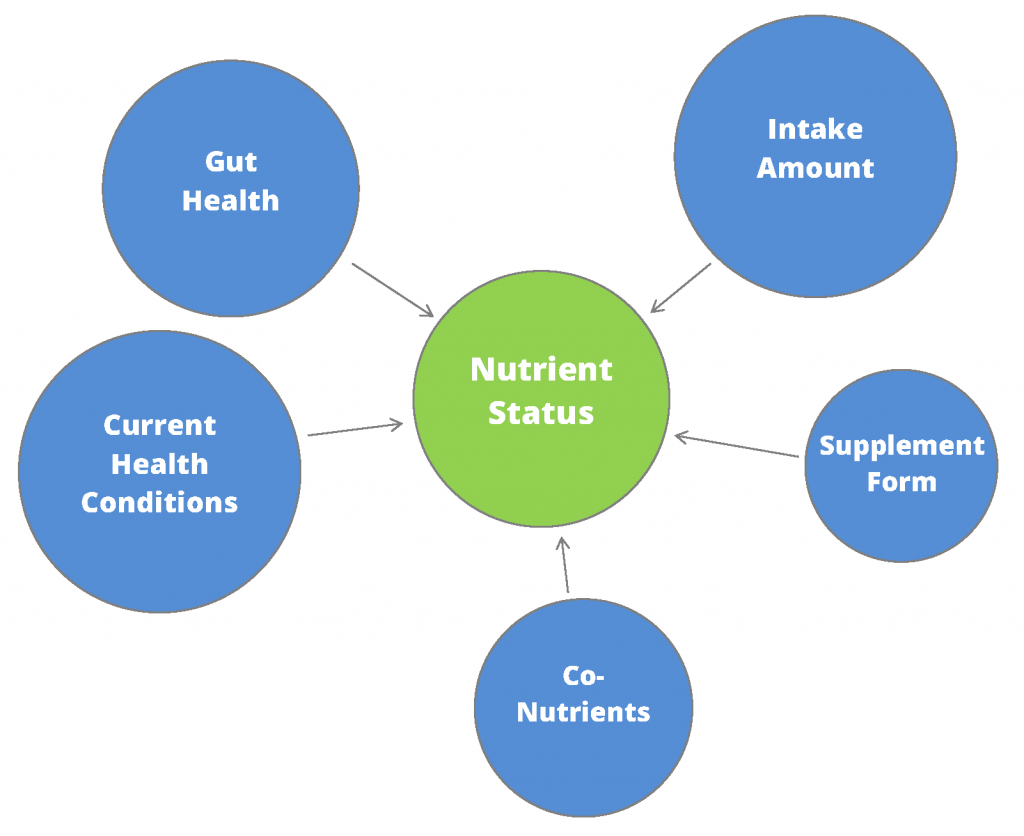
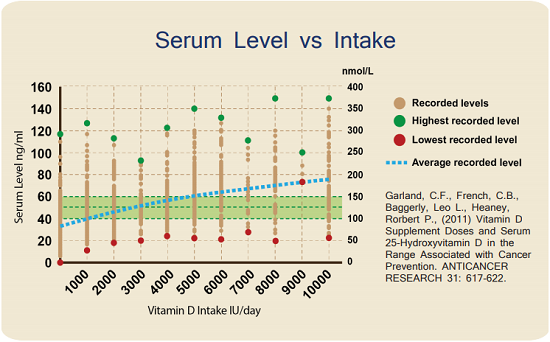
Everyone experiences a unique response to supplementation or nutrient intake called the dose-response, which can be due to factors such as current health conditions, digestive health, co-nutrient status, medications, genetics and more. The vitamin D dose-response chart here illustrates the wide variation in response for individuals at a specific intake amount. For example, among those taking 5000 IU/day of vitamin D, resulting serum levels ranged from about 20 to 140 ng/ml. Similar variations are seen with omega-3s. With this testing, you can learn your individual dose-response.

Magnesium can be one of the most influential factors affecting the vitamin D dose response and vitamin D related health outcomes. Measuring your nutrient status, adjusting intake as needed, and re-testing is the only way to tell if your nutrient intake is helping you achieve sufficient or desired nutrient status which is tied to particular health outcomes.

Learn More with the Addition of the TSH and/or Elements Panel

As described above, magnesium plays an important role in thyroid health, as do several other essential elements.  For anyone who is interested in their own thyroid health, or contributing to thyroid research, the TSH and Elements panel are also available to add to the project test kit – simply choose the product that includes the tests of your choice.

For anyone concerned with any of the other essential elements or toxic minerals included in the Elements panel (which includes Magnesium along with Selenium, Zinc, Copper, Zinc:Coper Ratio, Cadmium, Lead, and Mercury), add the PLUS Elements Panel.

Include the Elements Panel in Your D*action Home Test Kit! Knowing your levels is key to managing your own health.

GrassrootsHealth Nutrient Research Institute is the world’s largest crowd-funded nutrient research project, following the guidelines developed by their former Director of Research, Dr. Robert P. Heaney.

Explore the Latest Magnesium & Mineral Insights