FAQs About the D*action+Omega-3 Project
Interested in joining D*action+Omega-3, but want to know more before doing so? Here are some commonly asked questions and answers about the project and the

The buttons above the results narrow things down without typing anything.
Popular searches
Tip: quotation marks narrow a search
The buttons above the results narrow things down without typing anything.
Popular searches
Tip: quotation marks narrow a search
Find out by adding omega testing to your D*action home test kit.
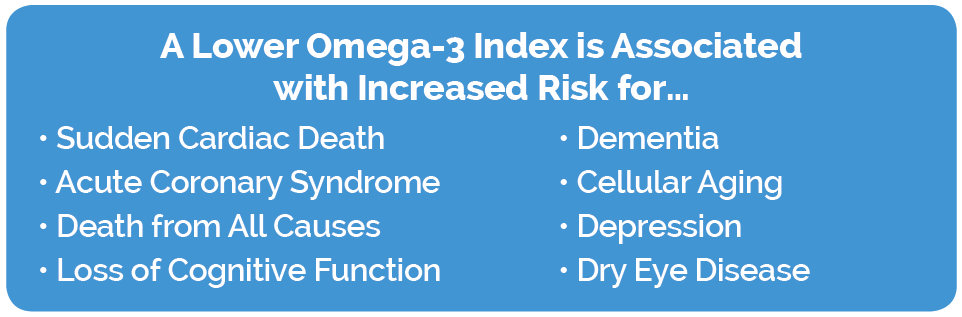
Just as with vitamin D deficiency, omega-3 deficiency can put you at risk for chronic disease. Both are essential to your everyday health.
You may already have an idea of how your vitamin D level may affect your health…
How could your Omega-3 Index level affect your health as well?
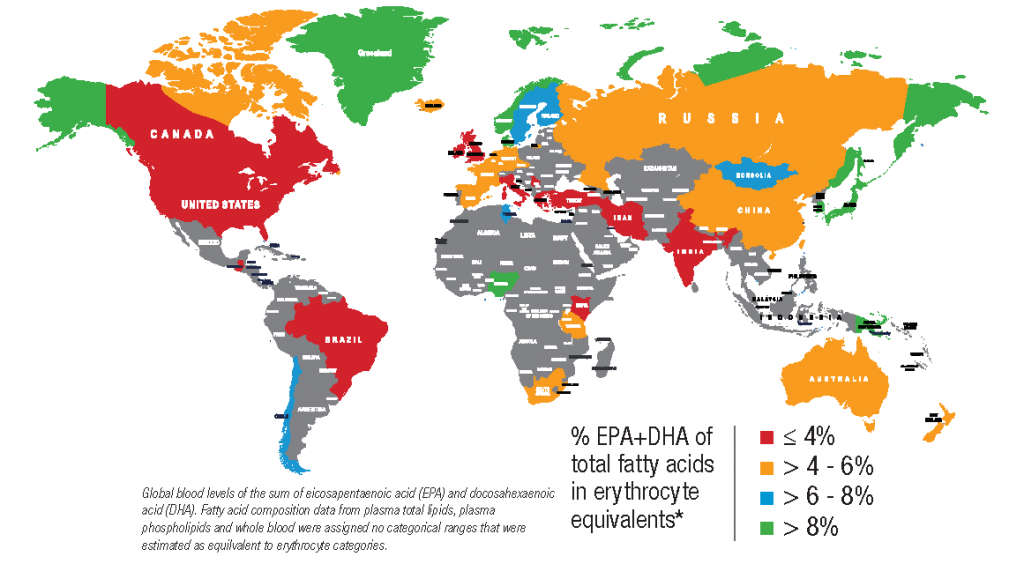
The typical diet for most individuals, up to 80-90% in some countries, does not provide enough EPA and DHA to provide these benefits, leaving a majority of the population deficient – with most countries and regions around the globe having Omega-3 Index levels that are considered low to very low.
By taking simple dietary steps like increasing your consumption of foods or supplements rich in the omega-3 fatty acids EPA (eicosapentaenoic acid) and DHA (docosahexaenoic acid), your Omega-3 Index will rise. However, similar to vitamin D serum level response to supplementation, there is a wide variation in response between omega-3 intake and a resulting Omega-3 Index level; there is no way to tell if you are getting enough omega-3s unless you test your levels.
The Omega-3 Index is a blood test that measures the amount of omega-3 fatty acids (EPA and DHA) in red blood cell (RBC) membranes and is expressed as a percent of total RBC fatty acids. It is a long-term and stable marker of omega-3 status, and it reflects tissue levels of EPA+DHA.
An Omega-3 Index of over 8% is associated with the lowest risk of death from heart disease and below 4% with the highest.
Your Omega-3 Index measures the amount of EPA and DHA in your red blood cell membranes. You can also learn more about your overall fatty-acid balance with additional measurements such as the Omega-6:Omega-3 Ratio and AA:EPA Ratio. These results provide additional insight into your omega fatty-acid status and can help you better understand your results.
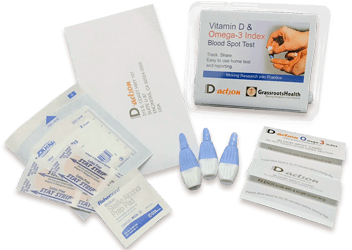
Check your vitamin D and Omega-3 Index levels from the privacy of your home, with our easy-to-use test kit. Prick your finger with the lancet provided, drop spots of blood on two separate cards, complete an online questionnaire, and mail the cards to GrassrootsHealth in the envelope provided. In 7-10 days after receipt, your levels will be available to you online.
IDENTIFY: You can’t know if your vitamin D level or Omega-3 Index is optimal just because you eat the right foods or take supplements – they both must be measured.
CORRECT: Once you know your vitamin D level and Omega-3 Index, they can be optimized with simple dietary and lifestyle changes.
MAINTAIN: Testing your vitamin D and Omega-3 Index every 4-6 months ensures that levels stay optimal.

Interested in joining D*action+Omega-3, but want to know more before doing so? Here are some commonly asked questions and answers about the project and the


Omega-3 deficiency is a fast-evolving global health concern. It can lead to a higher risk of chronic disease, particularly heart disease, cognitive decline, and other health problems. Over 23,000 published research papers support positive health benefits of high omega-3s, with more than 6000 supporting cardiovascular benefits, over 1000 showing respiratory benefits, and more than 2000 showing a benefit to diabetes conditions. Hundreds of other studies suggest that omega-3s may provide benefit for a wide range of diseases, however, the typical diet for most individuals (up to 80-90% in some countries) does not provide enough EPA and DHA to provide these benefits – leaving a majority of the population deficient…

Research paper summary on a trial done in the military where they replaced ‘normal’ diet with foods higher in Omega-3s. Omega-3 Index rose to almost ideal.

A look at the optimal omega-3 index, what it means and how it could affect cardiovascular disease. Optimal levels are above 8%.

Researchers think the Omega-3 Index test is a good predictor of longevity. Could having an Omega-3 Index over 8% increase your life span?

Postpartum Depression According to the National Institute of Mental Health, postpartum depression affects between 7-13 percent of all mothers. Postpartum depression can occur between a
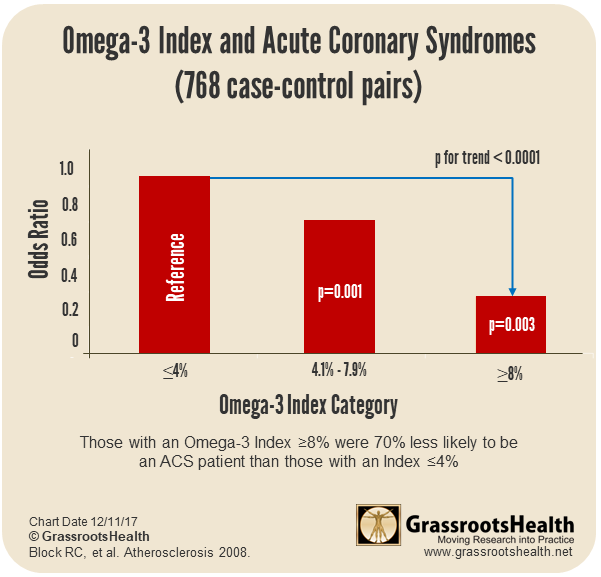
A study of 768 acute coronary syndrome (ACS) patients and 768 healthy controls matched for age, sex, and race, found that those with an Omega-3
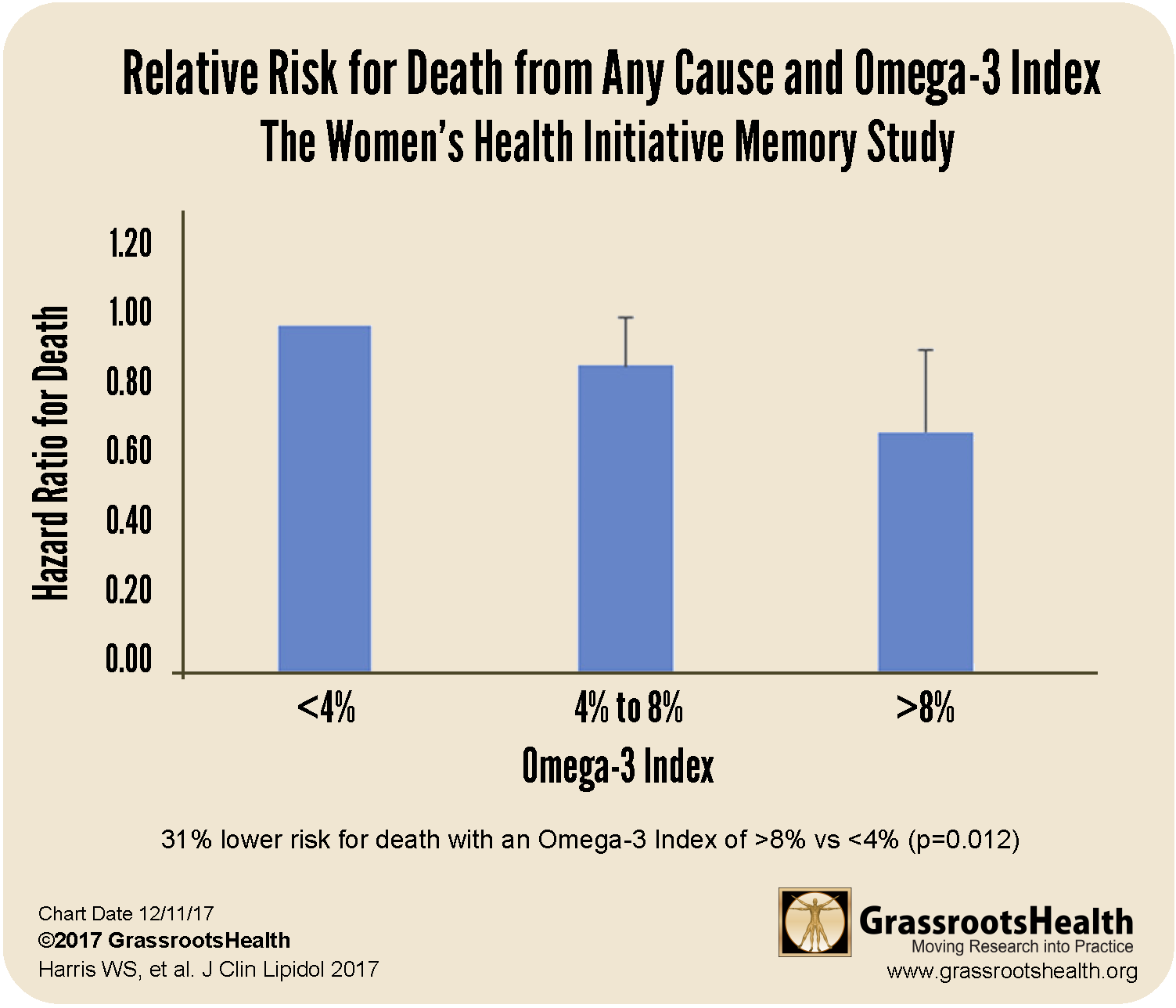
A long-term health study called the Women’s Health Initiative Memory Study included blood samples used to determine Omega-3 Index from 6,501 women, 65-80 years old.
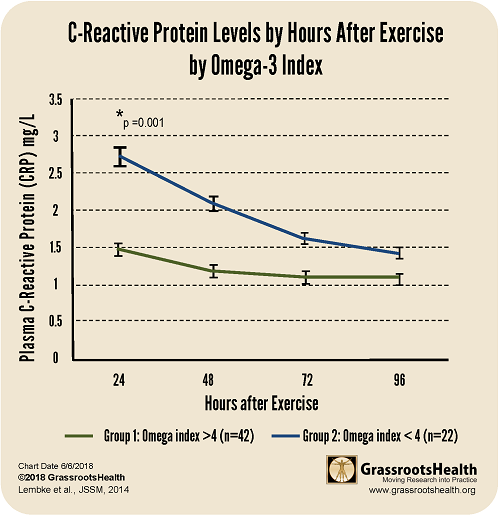
A study by Lembke et al., “Influence of Omega-3 (N3) Index on Performance and Wellbeing in Young Adults after Heavy Eccentric Exercise,” compared the Omega-3
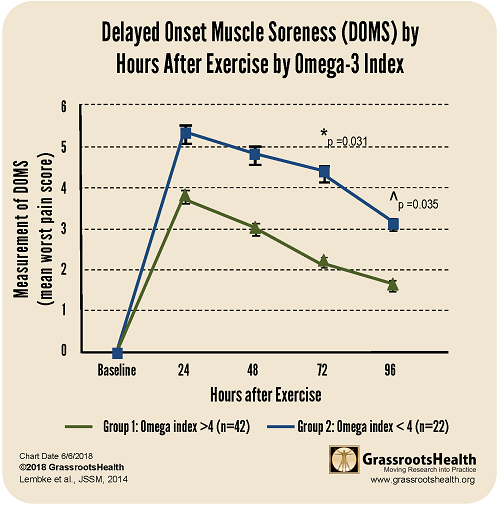
A study by Lembke et al., “Influence of Omega-3 (N3) Index on Performance and Wellbeing in Young Adults after Heavy Eccentric Exercise,” compared the Omega-3
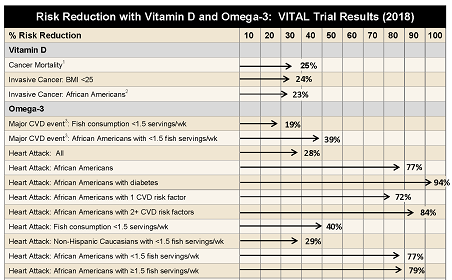
The VITAL trial, which focused on cancer and cardiovascular health, recently published two results papers: one paper comparing those assigned to vitamin D (2000
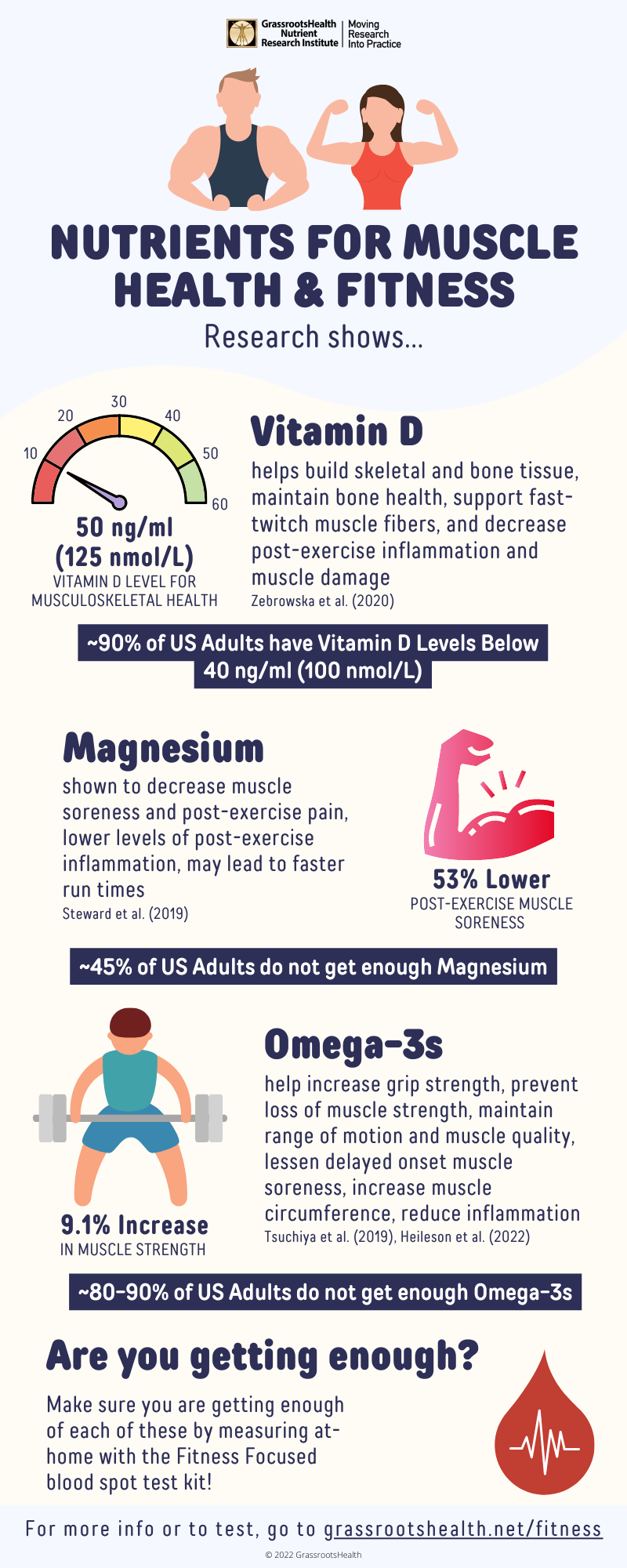
Research shows that several nutrients are important for muscle health and optimal fitness; here are just a few! Download PDF Link for More Info