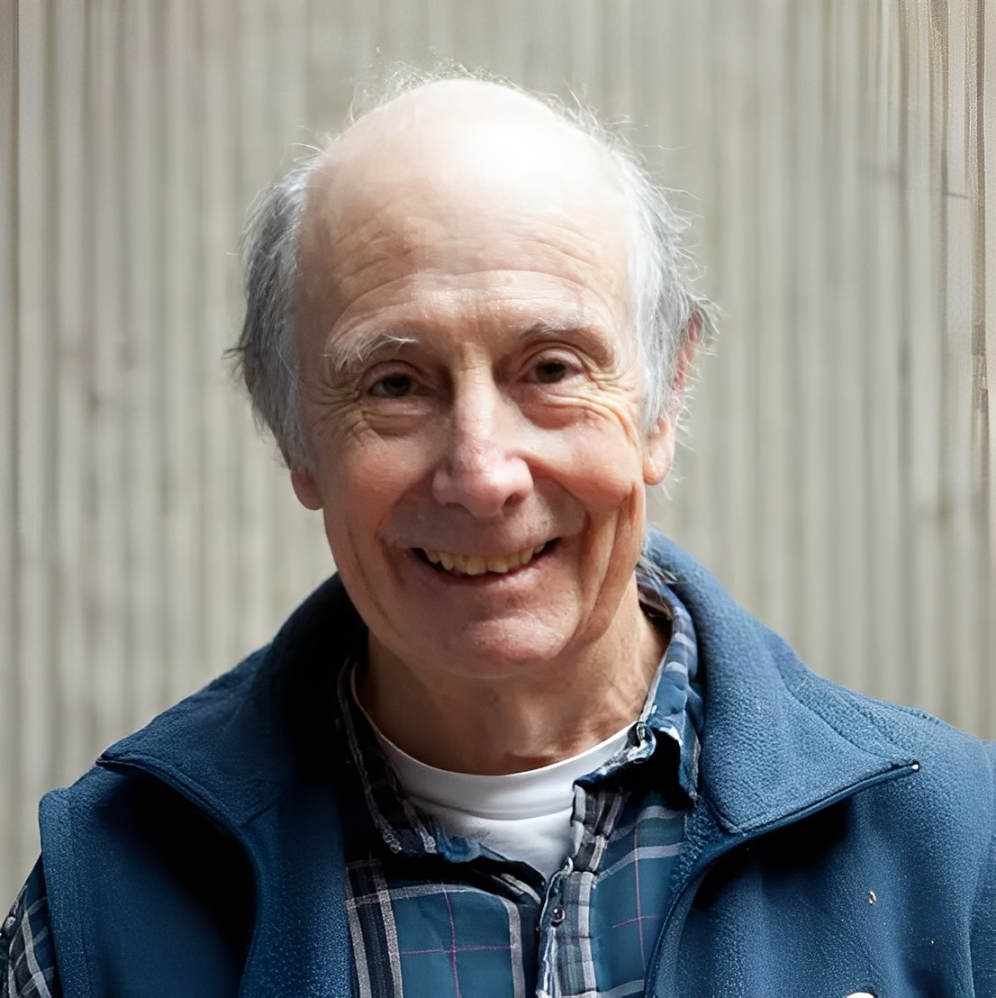
Distinguished Professor of Entomology & Environmental Health
University of California, Davis
About Dr. Hammock
Dr. Bruce D. Hammock is a pioneering scientist whose career bridges entomology, toxicology, biochemistry, pharmacology, and translational medicine. Based at UC Davis, he leads an interdisciplinary research program exploring enzyme biology, chemical regulation, and human health applications. His lab has been central to the discovery and development of soluble epoxide hydrolase (sEH) inhibitors as potential therapeutics for pain, inflammation, cardiovascular disease, and neurodegenerative disorders.
From his early work in insect hormone regulation and pesticide biochemistry, Dr. Hammock expanded into mammalian systems, discovering that many regulatory molecules (e.g. epoxides of fatty acids) are controlled not just by synthesis but by enzymatic degradation. This insight led to translational breakthroughs: the same enzymatic systems manipulated in insects have analogs in human biology. His research combines fundamental enzymology, molecular design of inhibitors, immunoassay development, and translational drug discovery.
Throughout his career, Dr. Hammock has maintained a commitment to mentorship and cross-disciplinary collaboration. He has directed the UC Davis Superfund Research Program for decades, supporting research on environmental contamination, toxicology, and human health.
Key Contributions & Research
- Soluble Epoxide Hydrolase (sEH) & Inflammation: Dr. Hammock was instrumental in identifying sEH as a key enzyme in the metabolism of lipid epoxides. He and his colleagues have shown that inhibiting sEH can modulate pain, inflammation, hypertension, and metabolic disorders.
- Translational Therapeutics: His lab’s small molecule inhibitors of sEH have advanced toward clinical application for non-opioid pain relief. A drug candidate from his group is in human trials for chronic pain and inflammation.
- Immunoassay & Biosensor Development: Hammock’s group pioneered immunoassay methods for detecting pesticides and other small molecules in environmental and biological samples, enabling lower cost, higher throughput toxicant monitoring.
- Environmental & Public Health Application: He has integrated his biochemical discoveries with large scale environmental research—through UC Davis’s Superfund Program—to understand how exposures influence disease risk and to discover biomarkers of exposure.
Awards & Recognition
- Elected to the National Academy of Sciences (1999)
- Elected Fellow, National Academy of Inventors
- Bernard B. Brodie Award in Drug Metabolism, ASPET (2014)
- McGiff Memorial Award in Lipid Biochemistry (first recipient)
- UC Davis Chancellor’s Lifetime Achievement Award in Innovation (2020)
- UC Davis Distinguished Graduate & Postdoctoral Mentoring Award (2024)
- UC Davis Distinguished Teaching Award and Faculty Research Lectureship (dates on campus records)
Top Publications (selected)
- Morisseau C, Hammock BD. Epoxide hydrolases: mechanisms, inhibitor designs, and biological roles. Annual Review of Pharmacology and Toxicology (2005)https://www.annualreviews.org/content/journals/10.1146/annurev.pharmtox.45.120403.095920
- Imig JD, Hammock BD. Soluble epoxide hydrolase as a therapeutic target for cardiovascular diseases. Nature Reviews Drug Discovery (2009) https://www.nature.com/articles/nrd2875
- Hammock BD et al. Mass spectrometry–based metabolomics. Mass Spectrometry Reviews (2007) https://analyticalsciencejournals.onlinelibrary.wiley.com/doi/10.1002/mas.20123
- Hammock BD et al. Impact of soluble epoxide hydrolase and epoxyeicosanoids on human health. Annual Review of Pharmacology and Toxicology (2013) https://www.annualreviews.org/content/journals/10.1146/annurev-pharmtox-011112-140244