
Omega-3
FAQs About the D*action+Omega-3 Project
Interested in joining D*action+Omega-3, but want to know more before doing so? Here are some commonly asked questions and answers about the project and the



Interested in joining D*action+Omega-3, but want to know more before doing so? Here are some commonly asked questions and answers about the project and the

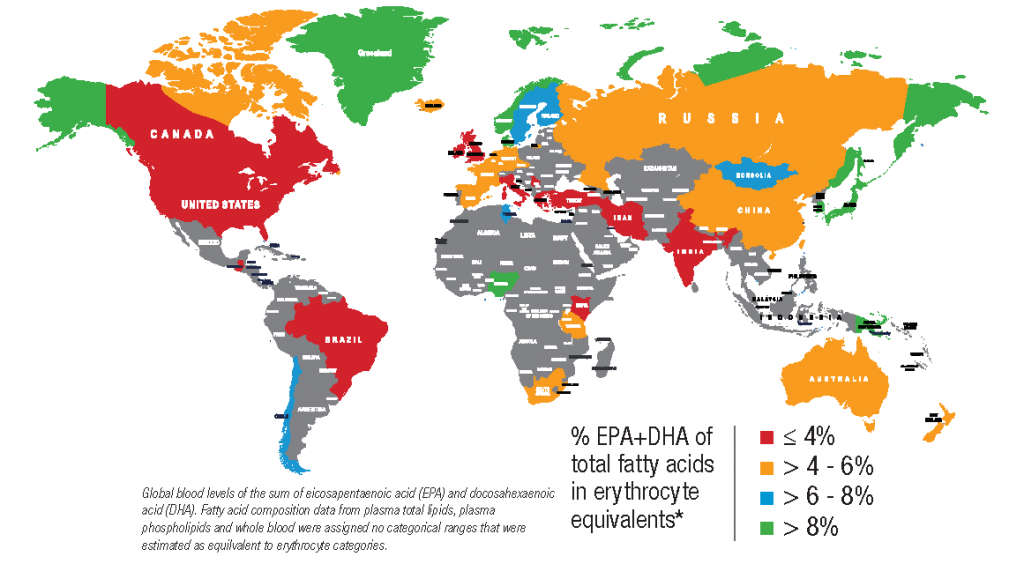
Omega-3 deficiency is a fast-evolving global health concern. It can lead to a higher risk of chronic disease, particularly heart disease, cognitive decline, and other health problems. Over 23,000 published research papers support positive health benefits of high omega-3s, with more than 6000 supporting cardiovascular benefits, over 1000 showing respiratory benefits, and more than 2000 showing a benefit to diabetes conditions. Hundreds of other studies suggest that omega-3s may provide benefit for a wide range of diseases, however, the typical diet for most individuals (up to 80-90% in some countries) does not provide enough EPA and DHA to provide these benefits – leaving a majority of the population deficient…

Research paper summary on a trial done in the military where they replaced ‘normal’ diet with foods higher in Omega-3s. Omega-3 Index rose to almost ideal.

A look at the optimal omega-3 index, what it means and how it could affect cardiovascular disease. Optimal levels are above 8%.

Researchers think the Omega-3 Index test is a good predictor of longevity. Could having an Omega-3 Index over 8% increase your life span?

Postpartum Depression According to the National Institute of Mental Health, postpartum depression affects between 7-13 percent of all mothers. Postpartum depression can occur between a
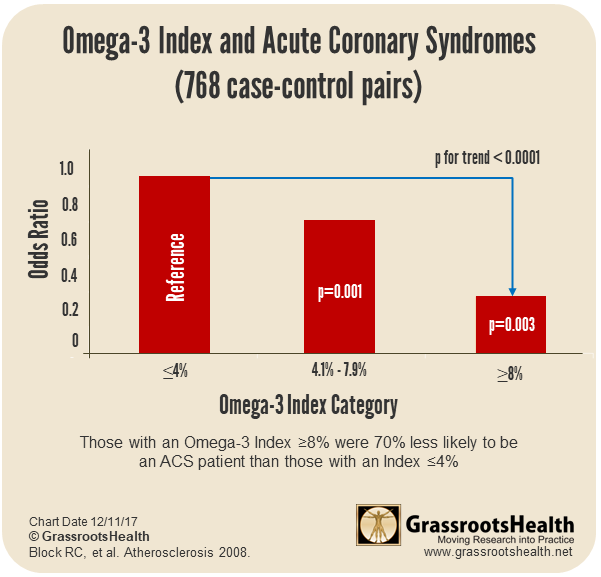
A study of 768 acute coronary syndrome (ACS) patients and 768 healthy controls matched for age, sex, and race, found that those with an Omega-3
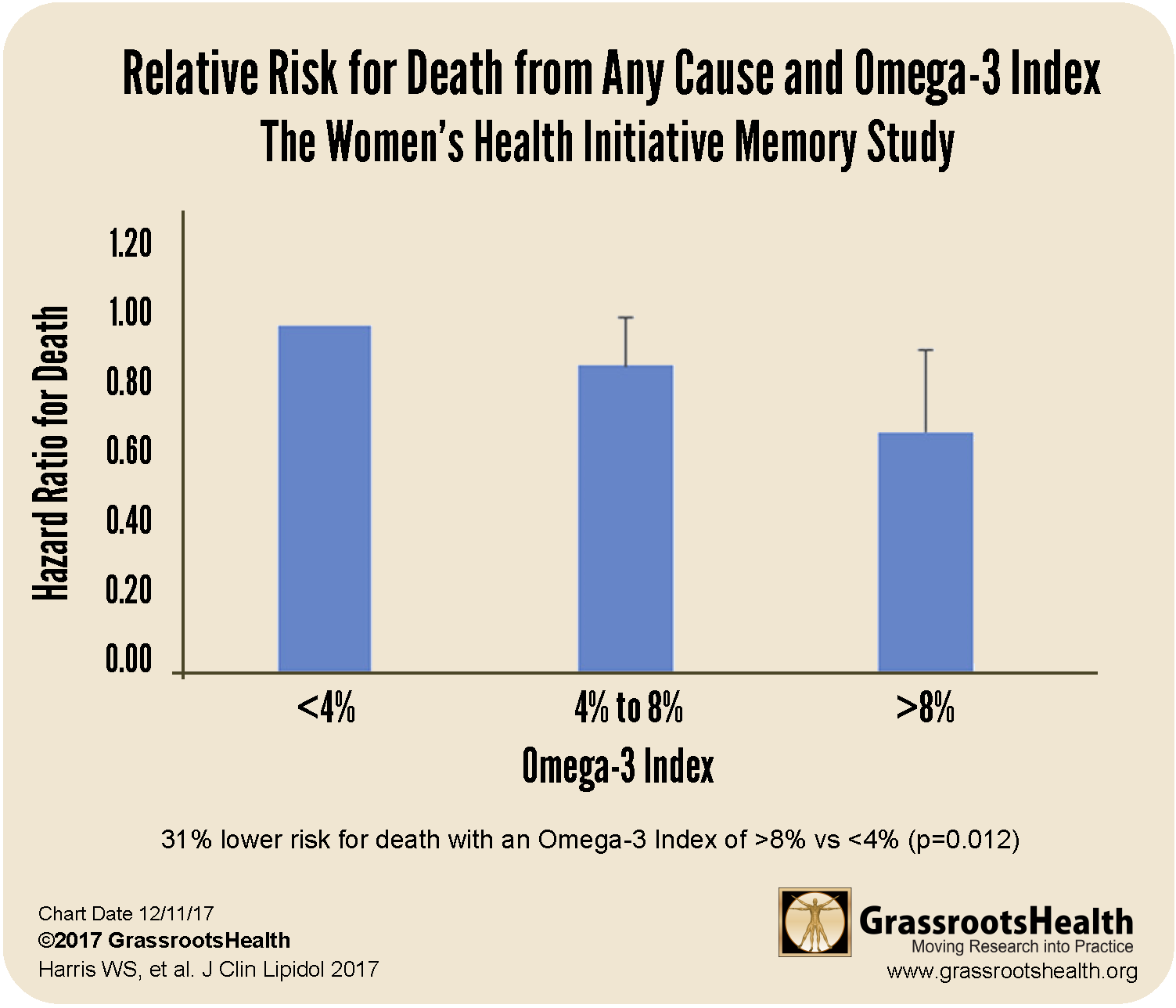
A long-term health study called the Women’s Health Initiative Memory Study included blood samples used to determine Omega-3 Index from 6,501 women, 65-80 years old.
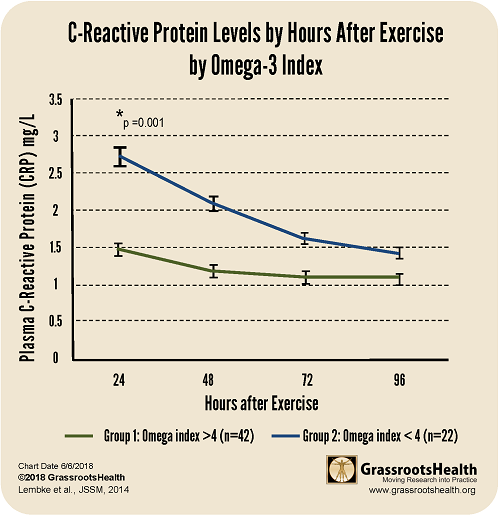
A study by Lembke et al., “Influence of Omega-3 (N3) Index on Performance and Wellbeing in Young Adults after Heavy Eccentric Exercise,” compared the Omega-3
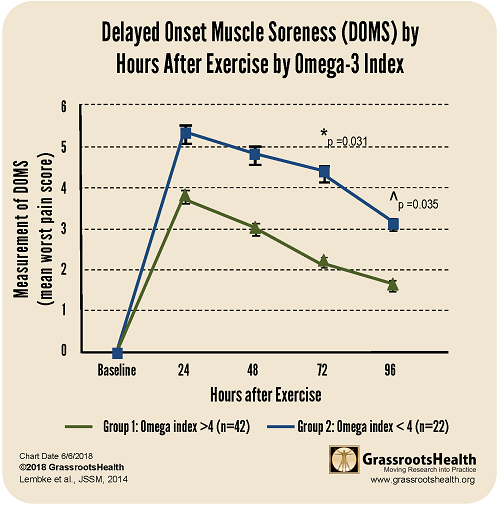
A study by Lembke et al., “Influence of Omega-3 (N3) Index on Performance and Wellbeing in Young Adults after Heavy Eccentric Exercise,” compared the Omega-3
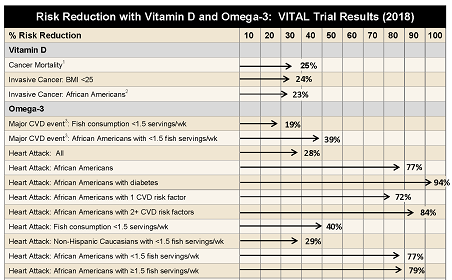
The VITAL trial, which focused on cancer and cardiovascular health, recently published two results papers: one paper comparing those assigned to vitamin D (2000
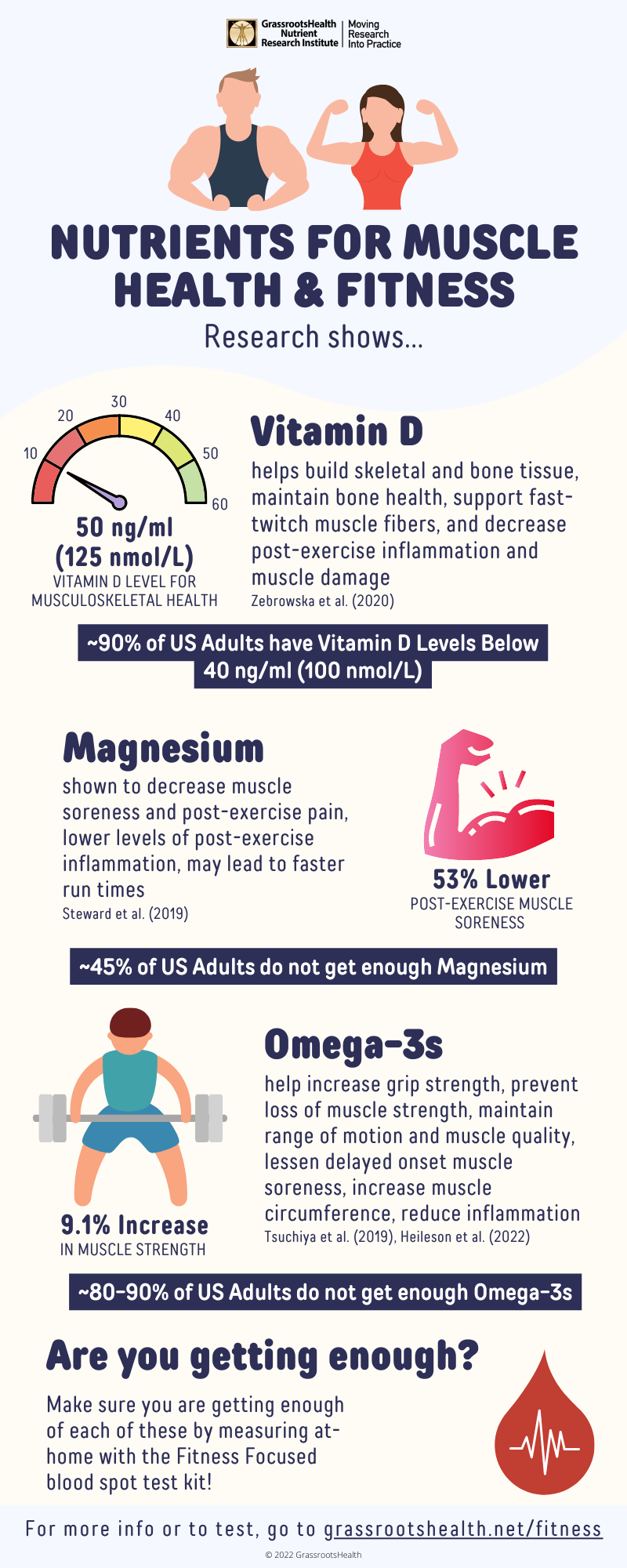
Research shows that several nutrients are important for muscle health and optimal fitness; here are just a few! Download PDF Link for More Info