Getting too little or too much zinc might reduce vitamin D’s ability to carry out many of its biological functions
Key Points
- Zinc is an essential co-nutrient for vitamin D, helping the vitamin D receptor bind to DNA and regulate vitamin D-dependent genes throughout the body.
- Too little, or potentially too much, zinc may interfere with vitamin D activity, highlighting the importance of maintaining adequate, balanced zinc status rather than simply supplementing with high doses.
- Human studies link zinc status with vitamin D status: low zinc predicted vitamin D deficiency in adolescent girls, while eight weeks of zinc supplementation increased vitamin D levels in a randomized trial of postmenopausal women.
- The relationship works both ways; zinc supports vitamin D activity, while vitamin D can influence zinc transport and homeostasis, creating a “feed-forward loop” between these two nutrients.
Measure Your Vitamin D & Elements; Use ELEMENTS15 for 15% Off

Vitamin D does not work alone. Its activation, signaling, and downstream effects depend on a number of nutrients and biological cofactors. Magnesium is often the first nutrient to come to mind, however, zinc may also be one of the most important. A review published by Amos and Razzaque examined the relationship between zinc and vitamin D and highlighted evidence suggesting that the two nutrients interact in both directions: zinc helps vitamin D carry out its biological functions, while vitamin D may help regulate zinc within the body. Understanding this relationship may be especially important for people working to improve their vitamin D status, because simply having enough vitamin D available may not guarantee that vitamin D-dependent pathways are functioning optimally if other essential nutrients are lacking.
Zinc Is Essential Throughout the Body
Zinc is an essential trace mineral involved in an extraordinary number of biological processes. It is part of more than 600 enzymes, numerous proteins, and more than 2,500 transcription factors, which help control how genes are expressed. Among its many functions, zinc contributes to:
- Normal immune function
- Growth and development
- Brain maturation and neurological function
- DNA and protein synthesis
- Cell division and cellular signaling
- Regulation of gene expression
- Taste and smell
- Skin and mucosal integrity
- Reproductive function
- Metabolic function
Approximately 90% of the body’s zinc is located in muscle and bone. Unlike some nutrients, however, the body does not maintain a large dedicated storage reserve of zinc, making regular dietary intake important. Zinc balance is regulated primarily through absorption and excretion in the gastrointestinal tract.
What Can Happen When Zinc Is Too Low?
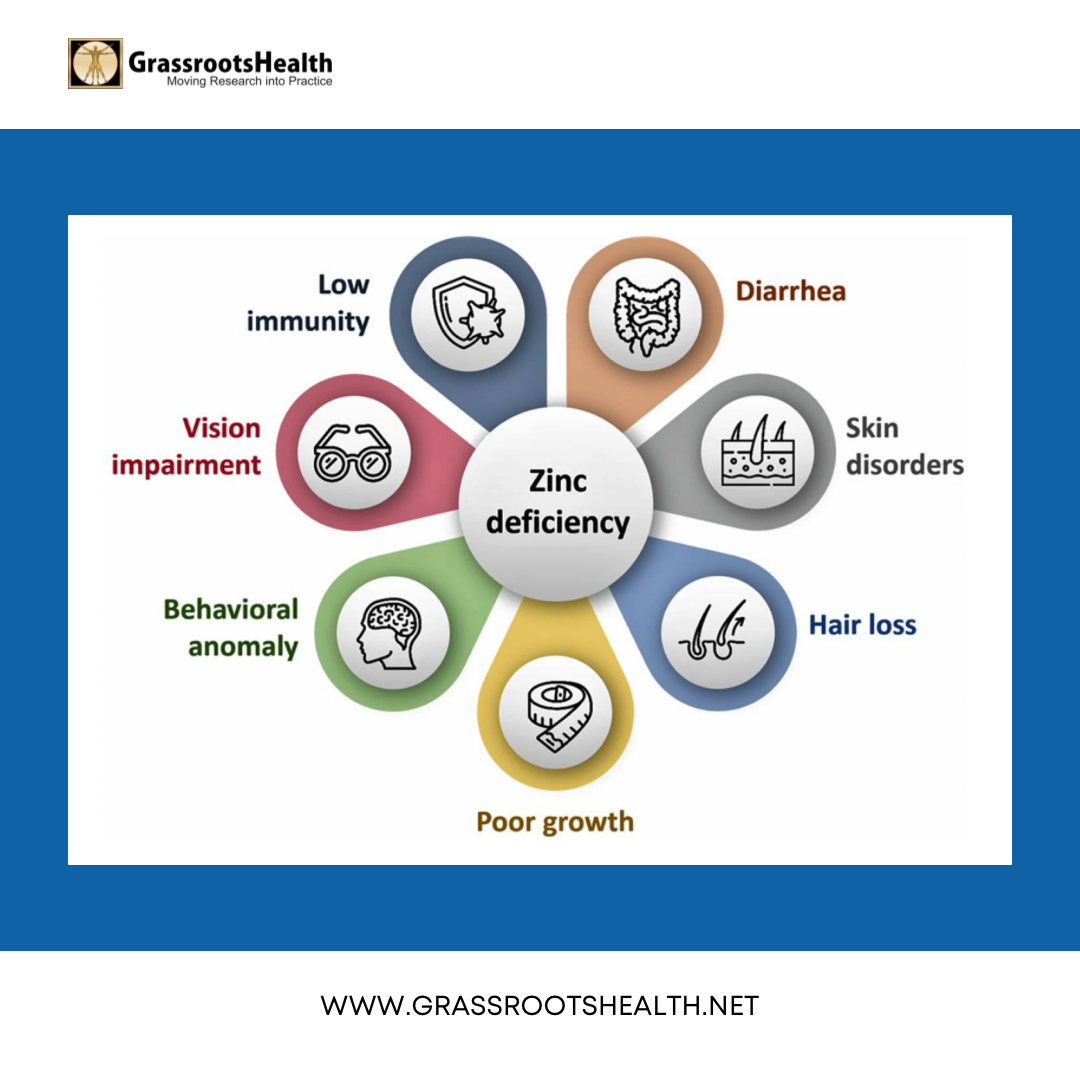
Zinc deficiency can affect many different body systems, with consequences including impaired growth, immune dysregulation, neurological dysfunction, skin lesions, and impaired reproductive function.

Certain individuals may be particularly vulnerable to inadequate zinc status. These include older adults, people with gastrointestinal disorders, vegetarians, pregnant and lactating women, older exclusively breastfed infants, people with sickle cell disease, and individuals consuming excessive amounts of alcohol. Vegetarians may be at greater risk in part because phytates found in foods such as cereals, legumes, oilseeds, and nuts can bind zinc and reduce its absorption. In contrast, some of the richest dietary sources of highly bioavailable zinc include oysters, beef, crab, and lobster.
What Does Zinc Have to Do with Vitamin D?
The connection goes considerably deeper than the observation that people with low zinc sometimes also have low vitamin D. For vitamin D (as 1,25-dihydroxyvitamin D, or calcitriol) to regulate gene activity, it binds to the vitamin D receptor (VDR). The vitamin D–VDR complex then interacts with DNA and influences the expression of numerous genes involved in calcium regulation, bone metabolism, immune function, and other physiological processes.
“For 1,25-dihydroxycholecalciferol to exert biological activities, zinc is needed.”
Part of the vitamin D receptor contains structures known as zinc fingers. These zinc-containing regions are necessary for the vitamin D receptor to bind properly to DNA. Zinc helps establish and stabilize the structure of the VDR’s DNA-binding domain, allowing vitamin D-responsive genes to be turned on or off appropriately. Without sufficient zinc, the receptor may not assume the structural configuration needed for normal vitamin D signaling.
In other words, vitamin D may be present, but zinc helps the vitamin D receptor translate that signal into biological action.
Zinc Deficiency May Reduce Vitamin D Receptor Activity
Animal research provides additional evidence for this relationship. In one study cited in the review, rats consuming a zinc-deficient diet had significantly lower expression of both the vitamin D receptor and calcium-binding protein in the intestinal mucosa compared with animals receiving adequate zinc. This suggests that zinc deficiency may interfere not only with the structure of the vitamin D receptor but also with the amount of VDR available and with downstream vitamin D-dependent functions related to calcium absorption.
Other laboratory studies found that increasing intracellular zinc increased the amount of zinc associated with the VDR–retinoid X receptor complex, which is involved in binding to DNA.
Interestingly, the relationship also appeared to depend on balance: at excessively high zinc concentrations, zinc began to dissociate from the receptor complex. The authors therefore emphasize the importance of adequate rather than excessive zinc status for optimal VDR activity.
Human Studies Also Link Zinc Status with Vitamin D
Human studies reviewed in the paper provide evidence that zinc and vitamin D status may be related. Among 988 adolescent girls ages 12 to 18, low blood zinc was found to be a strong predictor of vitamin D deficiency, defined in the study as a serum level below 20 ng/mL.
Another study involving children and adolescents found a positive association between serum zinc and vitamin D: as zinc levels increased, the likelihood of having higher vitamin D levels also increased.
Perhaps even more interestingly, a double-blind randomized trial in postmenopausal women found that eight weeks of zinc supplementation increased vitamin D levels.
These findings do not yet establish that zinc supplementation will improve vitamin D status in everyone, but they add human evidence to the biological mechanisms suggesting that the relationship deserves greater attention.
Additional Findings by the Authors
The interaction between zinc and vitamin D may begin even before vitamin D reaches its receptor. Laboratory studies in human immune cells suggest that zinc can stimulate the release of calcitriol, the hormonally active form of vitamin D, although it remains unclear whether the full conversion pathway of vitamin D is directly zinc-dependent. The authors highlight this as an area requiring further research.
The relationship also appears to work in the opposite direction. Vitamin D may help regulate zinc homeostasis by influencing the expression of zinc-transporting proteins. In one cell study, vitamin D treatment led to a 15-fold increase in expression of the SLC30A10 gene, which encodes the zinc transporter ZnT10. This suggests vitamin D may help direct how zinc is distributed and regulated within cells, supporting the idea of a feed-forward loop in which zinc supports vitamin D activity while vitamin D helps regulate zinc balance.
Stronger mechanistic evidence comes from rare genetic disorders such as hereditary vitamin D-resistant rickets, where mutations in the zinc-finger region of the vitamin D receptor impair its ability to bind DNA. Affected individuals develop severe skeletal and metabolic abnormalities despite adequate or elevated active vitamin D levels, illustrating that vitamin D cannot function properly without an intact zinc-dependent receptor structure.
More broadly, the authors note that while vitamin D and zinc are best known for their roles in bone and immune health, their combined effects likely extend across multiple physiological systems, including cardiovascular function and tissue repair. Because vitamin D regulates the expression of many genes, insufficient zinc could potentially impair a wide range of vitamin D-dependent processes. However, the authors emphasize that this area remains incompletely understood and requires further investigation to clarify its clinical significance.
One thing is certain: For anyone working to achieve and maintain an optimal vitamin D level, ensuring adequate zinc intake may therefore be another important piece of the vitamin D puzzle.
How Much Zinc Do We Need?
The paper lists a recommended daily allowance for adults in the range of approximately 8–12 mg per day, with higher needs during pregnancy and lactation and a tolerable upper intake level for adults of 40 mg per day. Very high zinc intake can cause nausea, vomiting, and fatigue, and chronically excessive supplementation may interfere with the absorption of other minerals.
Another particularly important interaction is with copper. High-dose zinc, even in excess of 15 mg/day, can reduce copper absorption and potentially lead to copper deficiency, resulting in anemia, low white blood cell counts, impaired immune function, and can also have negative effects on the LDL/HDL cholesterol ratio. On the other hand, too much copper in relation to zinc can lead to toxicity and cause zinc deficiency, leading to dysfunction. An imbalance of these two essential elements has been correlated with oxidative stress, inflammation, and stress. This is what makes the zinc to copper ratio useful, which is included as part of the Full Elements Panel offered by GrassrootsHealth.

Test Your Vitamin D & Elements Panel; Use ELEMENTS15 for 15% Off
Measure Your Magnesium, Vitamin D, and Other Important Markers
If you haven’t had your vitamin D levels checked recently, now is the time! With so many Americans still falling short, awareness is the first step toward change.
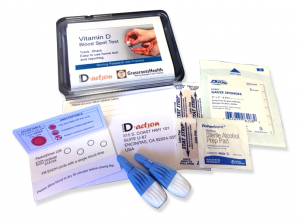
Measuring and calculating a supplementation amount to help reach and maintain a target level, or taking loading doses to correct deficiency faster, could possibly make all the difference in overall health, wellbeing, and how a current disease situation progresses. Test your level now!
Create your custom home blood spot kit by adding any of the following measurements, along with your vitamin D:
- Omega-3 Index (with or without Ratios AA:EPA and Omega-6:Omega-3)
- Magnesium (with additional Elements copper, zinc, selenium, mercury, and cadmium)
- hsCRP as a marker of inflammation and HbA1c as a marker of blood sugar health
Having and maintaining healthy vitamin D levels and other nutrient levels can help improve your health, now and for the future. Enroll and test your levels today, learn what steps to take to improve your status of vitamin D (see below) and other nutrients and blood markers, and take action! By enrolling in the GrassrootsHealth projects, you are not only contributing valuable information to everyone, you are also gaining knowledge about how you could improve your own health through measuring and tracking your nutrient status, and educating yourself on how to improve it.