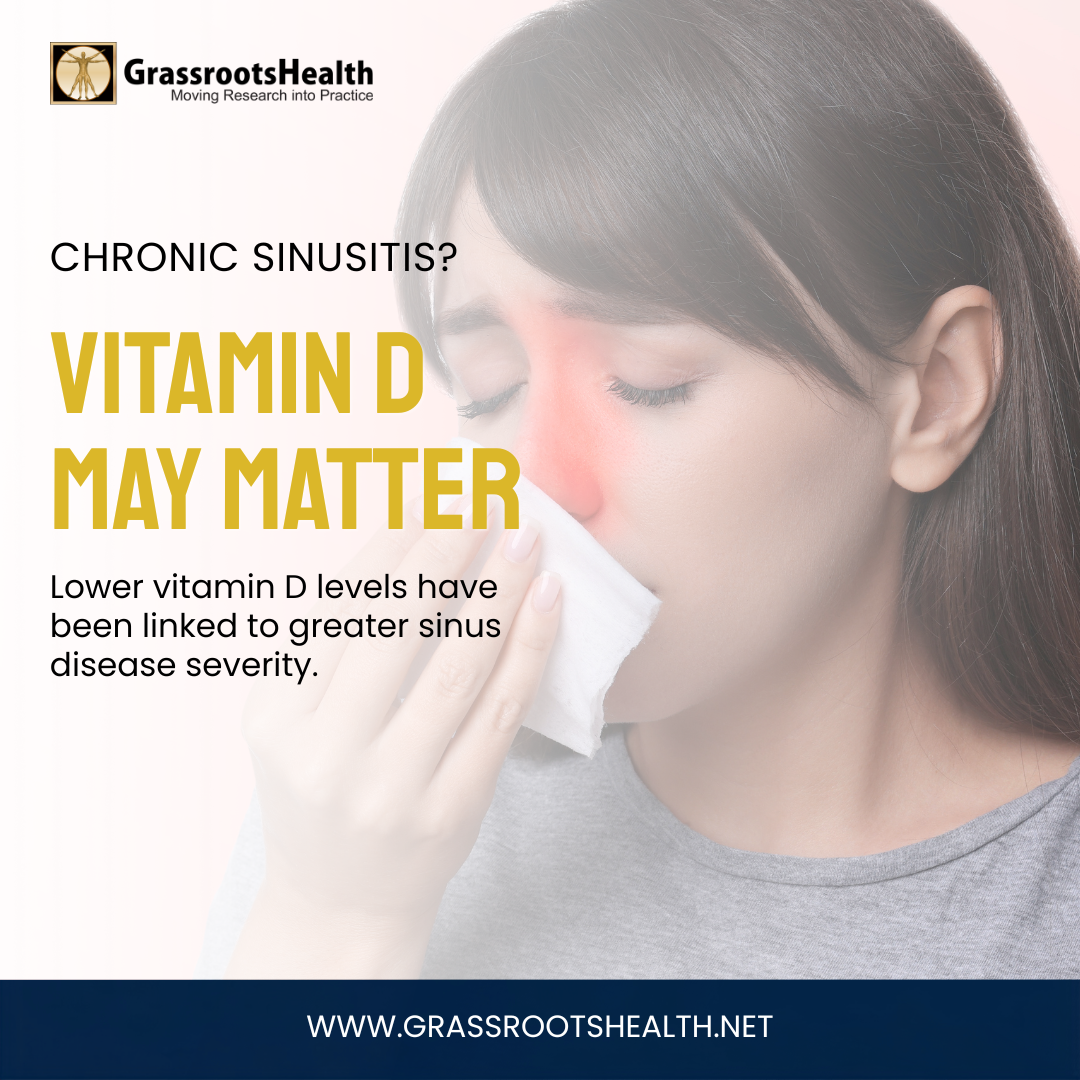
New meta-analysis links lower vitamin D levels to chronic rhinosinusitis and greater disease severity
Key Points
- A systematic review and meta-analysis of 12 studies and 1,236 participants found significantly lower vitamin D levels among people with chronic rhinosinusitis.
- Vitamin D deficiency affected more than 90% of patients with nasal polyps in several studies, and lower vitamin D levels were associated with more severe sinus disease.
- Several clinical trials found that vitamin D supplementation improved symptoms, CT or endoscopic findings, or other measures of disease severity, although the pooled symptom analysis was not statistically significant.

Chronic rhinosinusitis (CRS), commonly referred to as chronic sinusitis, is an inflammatory condition affecting the nose and sinuses that can cause persistent congestion, facial pressure or pain, difficulty breathing through the nose, and loss of smell. Unlike an occasional sinus infection, CRS can persist for months or recur repeatedly, substantially affecting quality of life.
A new systematic review and meta-analysis by Sumaily et al. published in Frontiers in Immunology adds to growing evidence that vitamin D status may be an important factor in chronic rhinosinusitis, particularly among people with nasal polyps. The review included 12 studies and 1,236 participants and evaluated vitamin D levels as well as the effects of vitamin D supplementation on disease severity, symptoms, recurrence, quality of life, inflammation, and postoperative outcomes.
People with Chronic Sinusitis Had Significantly Lower Vitamin D Levels
Across the studies included in the meta-analysis, people with chronic rhinosinusitis had serum vitamin D levels that were 12 ng/mL lower than those of healthy controls, on average. One study reported average vitamin D levels of 12 ng/mL among patients with nasal polyps compared to 36 ng/mL among healthy controls.
Another study reviewed found vitamin D deficiency in 90% of patients with primary nasal polyps and 100% of those with recurrent polyps.
These findings are consistent with another 2026 systematic review and meta-analysis by Huang et al., published earlier this year, which pooled 15 studies and found significantly lower vitamin D levels among patients with CRS, both with and without nasal polyps.
Lower Vitamin D was Associated with More Severe Disease
Lower vitamin D levels were also associated with greater disease severity. The authors found a significant inverse correlation between vitamin D levels and CRS severity (r = −0.52), meaning that as vitamin D levels decreased, disease severity tended to increase.
Individual studies found similar relationships using several different measures of sinus disease. One study reported strong inverse correlations between vitamin D and both CT scan severity and endoscopic severity, along with worse patient-reported symptoms at lower vitamin D levels.
In addition, supplementation with vitamin D helped improve symptoms. Although the doses and treatment protocols differed considerably between studies, multiple trials reported improvements in symptoms or objective measures of disease after supplementation. For example, one study using 4,000 IU vitamin D per day for one month found substantially lower symptom and endoscopic severity scores at six-month follow-up compared with placebo. Another trial using 60,000 IU per week for three months increased average vitamin D levels from 12 to 30 ng/mL. Total Nasal Symptom Scores improved from 11.94 to 0.33 in the vitamin D group, compared with 11.96 to 2.29 in the placebo group.
Vitamin D Supplementation was Associated with Less Recurrence
One of the most noteworthy findings involved patients with nasal polyps following treatment. In a randomized controlled study, participants received 50,000 IU vitamin D per week for eight weeks or placebo.
Nasal polyp recurrence occurred in 24.1% of the vitamin D group versus 51.6% of the control group. That represents a greater than 50% lower recurrence rate among those receiving vitamin D.
A second intervention study also reported significantly lower recurrence among patients receiving vitamin D compared with placebo, although the authors did not provide specific percentages.
Why Might Vitamin D Matter to Sinus Health?
Chronic rhinosinusitis involves persistent inflammation of the nasal and sinus tissues as well as changes in innate and adaptive immune activity. Vitamin D acts as an immunomodulator within the respiratory epithelium and may influence immune responses involved in chronic inflammation. This fits into a much larger body of research demonstrating that vitamin D functions well beyond bone health, helping regulate immune activity and inflammatory responses throughout the body.
The findings do not yet establish vitamin D supplementation as a treatment for chronic rhinosinusitis, and the researchers noted substantial differences among the included studies in supplementation protocols, patient populations, and outcome measurements. Nevertheless, the overall pattern is noteworthy: people with chronic rhinosinusitis consistently had lower vitamin D levels, lower levels were associated with more severe disease, and several intervention studies found improvements following supplementation.
For individuals struggling with persistent or recurrent sinus problems, particularly those with nasal polyps, these findings provide another reason to know and monitor vitamin D status.
Measuring Your Level is Important… Are You Getting Enough Vitamin D?
The only way to know is to test your levels! Testing versus blind supplementation is essential to know for sure if what you are taking is the right amount for you. Once you test your vitamin D (and other levels) to know where you are NOW, you can account for any upcoming changes in lifestyle over the coming months and adjust your intake to reach (or maintain) your targets.
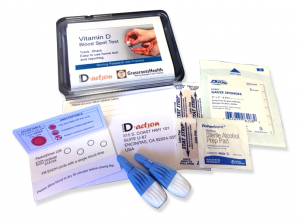 Measure your:
- Vitamin D
- Magnesium PLUS Elements
- Omega-3 Fatty Acids
- hsCRP
- HbA1c
- TSH
- Type 1 Diabetes Autoantibodies
Did you know that each of the above can be measured at home using a simple blood spot test? As part of our ongoing research project, you can order your home blood spot test kit to get your levels, followed by education and steps to take to help you reach your optimal target levels. Start by enrolling and ordering your kit to measure each of the above important markers, and make sure you are getting enough of each to support better mood and wellbeing!
Create your custom home test kit today. Take steps to improve the status of each of these measurements to benefit your overall health. With measurement you can then determine how much is needed and steps to achieve your goals. You can also track your own intakes, symptoms and results to see what works best for YOU.