Understanding the Potential Harms of Excessive Sun Exposure and the Role of Skin Pigmentation
Regular, safe sun exposure, where the number 1 rule is don’t burn, puts emphasis on skin type to help maximize the health benefits while minimizing

The buttons above the results narrow things down without typing anything.
Popular searches
Tip: quotation marks narrow a search
The buttons above the results narrow things down without typing anything.
Popular searches
Tip: quotation marks narrow a search

Regular, safe sun exposure, where the number 1 rule is don’t burn, puts emphasis on skin type to help maximize the health benefits while minimizing


Review: Sunshine has many benefits for human health, and a deficiency in sunshine can lead to disease While 2021’s Sunshine Month may be coming to

Special guest post by William B. Grant, PhD, a recognized “World Expert” in the top 0.1% of scholars writing about Sunlight over the past 10

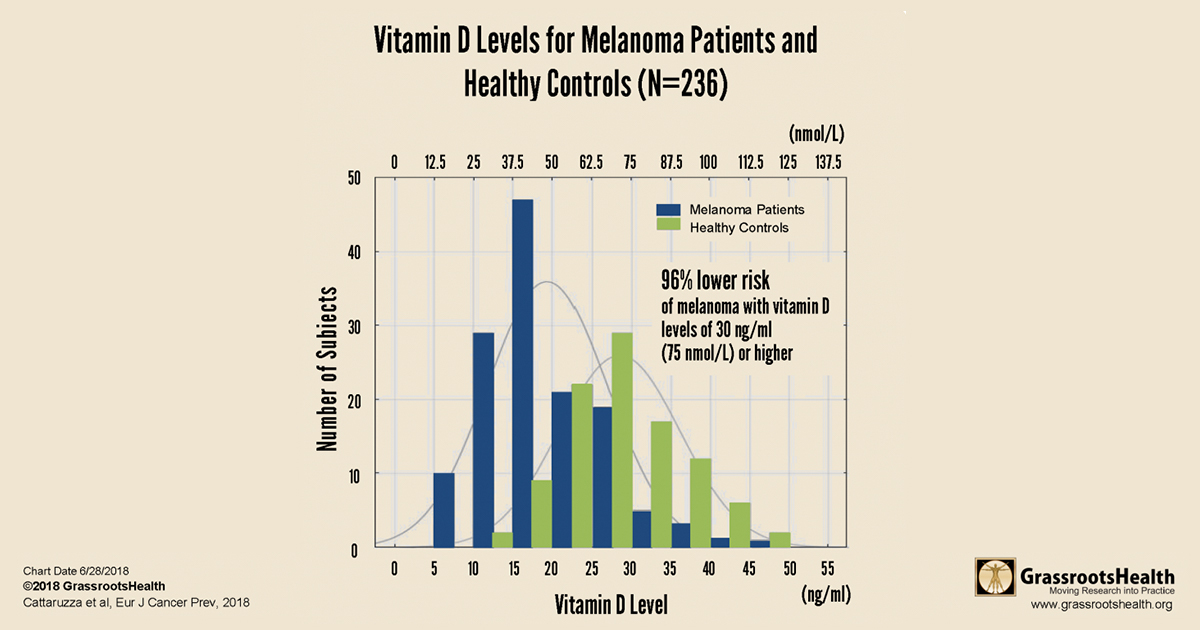
Several studies conclude that regular sun exposure and higher vitamin D levels are related to decreased incidence of melanoma and increased melanoma survival rates Melanoma

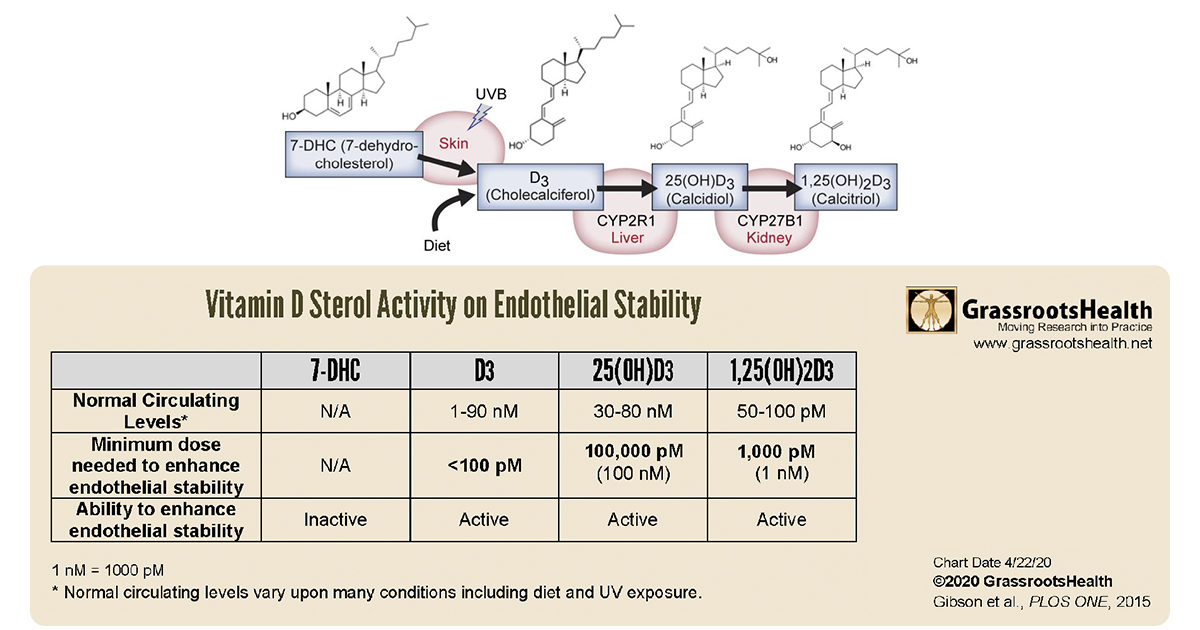
What is Vitamin D Good For? (Part 3: The Dermatological System) – Vitamin D is needed by virtually every cell in the body, and is

Sunlight and health, from the earliest human civilizations to our current battle with COVID-19, have an inseparable link. Dr. John Fielder’s exceptionally well-written paper, History

Public health guidelines to avoid sun exposure combined with the industrialization of society has resulted in people spending a lot less time outdoors. During the

This month, as part of Sunshine Month, we have given a lot of information on sunshine and UV exposure as a way to support our

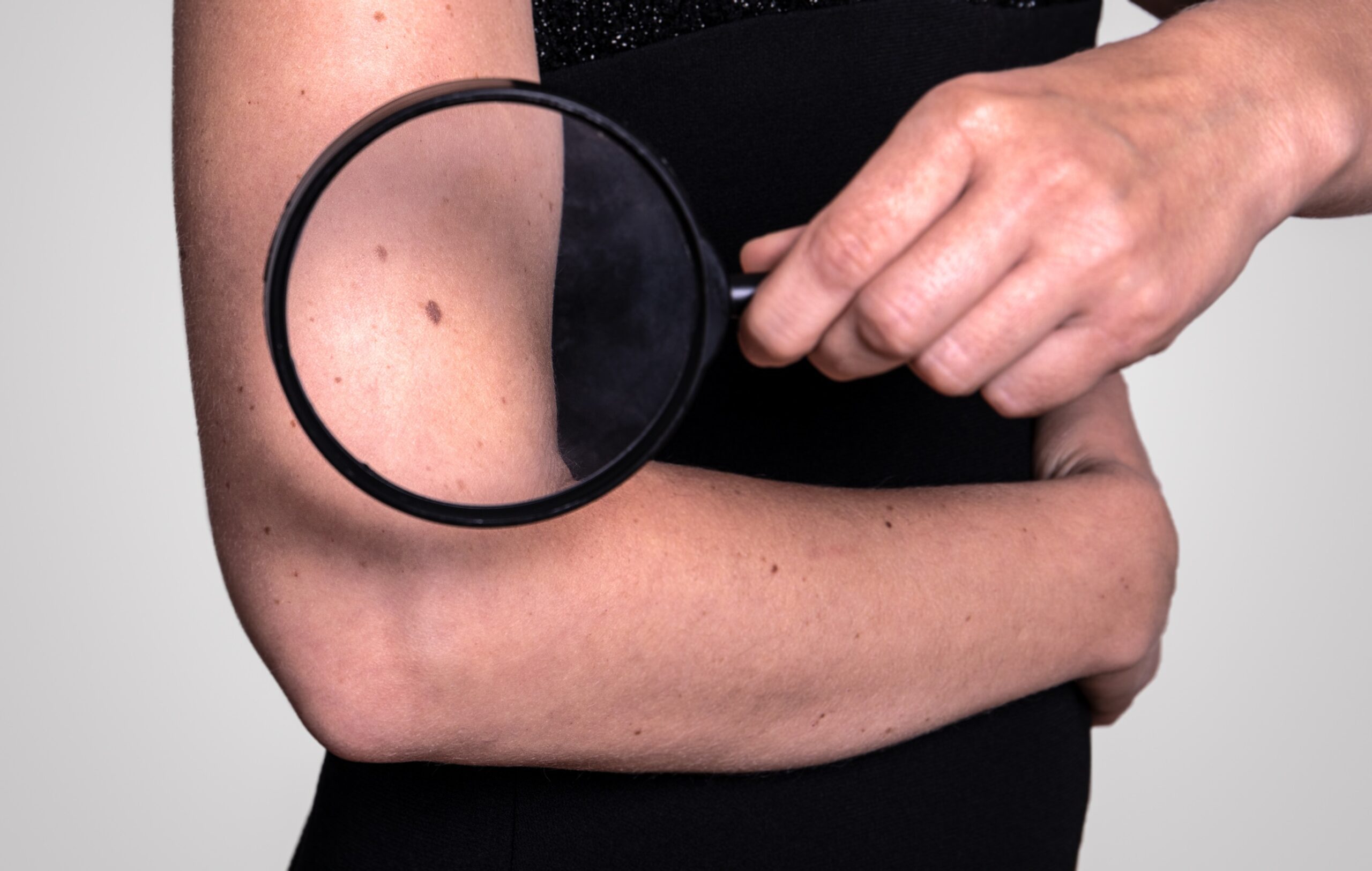
Skin damage and skin cancer are usually the top concerns associated with sun exposure. Contrary to public health opinion, research shows that not all skin

May is Sunshine Month, and during this month we will be providing important information on how to fully reap the health benefits from the sun

Low levels of vitamin D have been consistently linked to an increased risk of inflammatory diseases, such as cardiovascular disease, arthritis, multiple sclerosis (MS), and

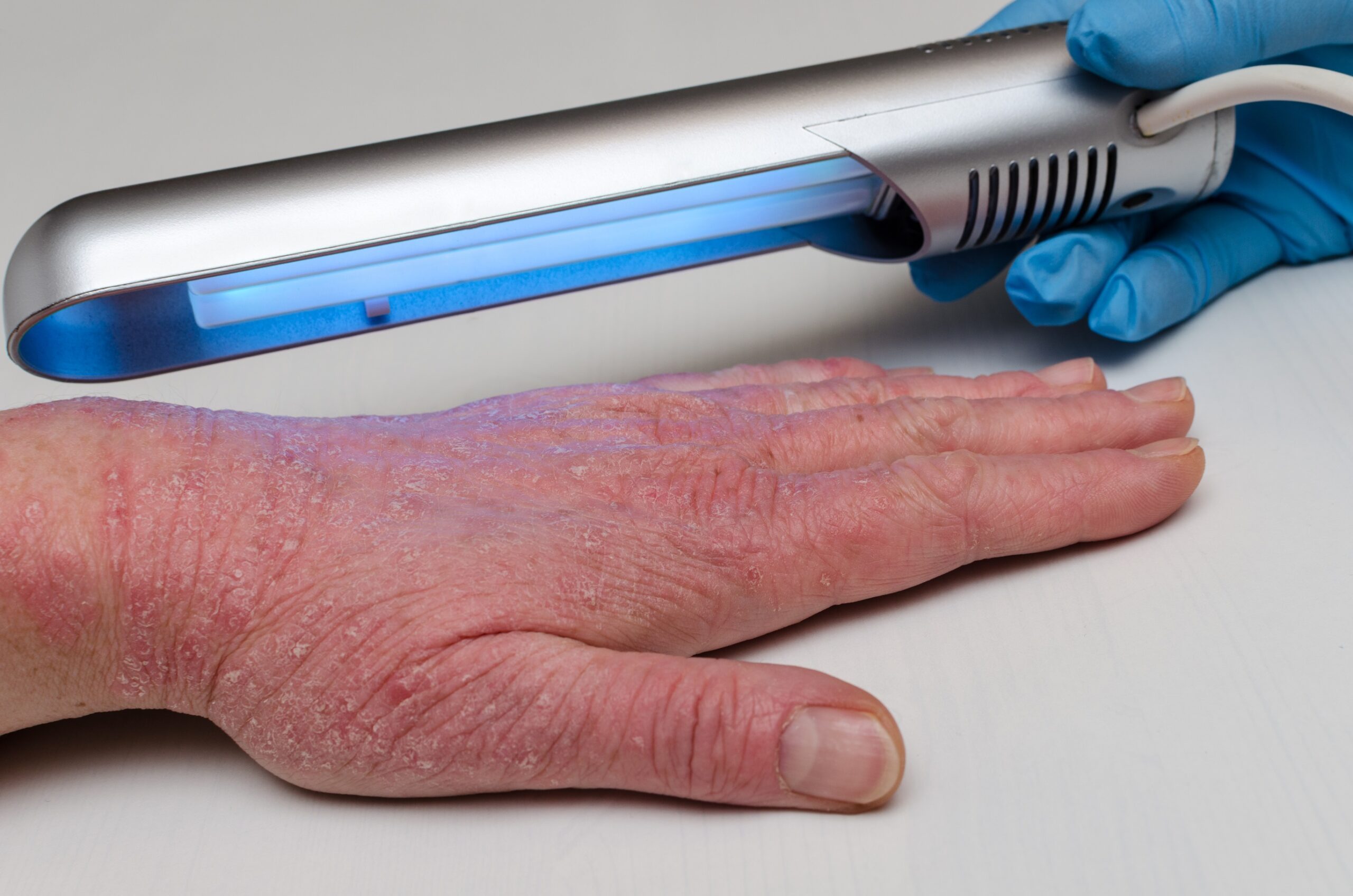
Non-melanoma skin cancers have been linked to solar ultraviolet radiation exposure (UVR), which can lead to a decreased immune response in the skin cells called