
Diabetes
Low Vitamin D Levels Can Increase the Homocysteine Level
Studies demonstrate how vitamin D insufficiency can result in higher homocysteine levels and an increased risk of homocysteine related diseases Key Points Homocysteine is a

Studies demonstrate how vitamin D insufficiency can result in higher homocysteine levels and an increased risk of homocysteine related diseases Key Points Homocysteine is a

Help increase awareness of research to demonstrate how the diagnosis and progression of diabetes among children and adults can be greatly affected by vitamin D

Latest findings on the health benefits of sun exposure include the potential for improving metabolism and blood sugar control Key Points Research has shown a

The progression of type 1 diabetes can be greatly affected by an individual’s vitamin D status and by their ratio of fatty acids AA to

From diabetes, to high blood pressure, and more… Magnesium and vitamin D work together synergistically, in such a way that the interaction of both is

A new study among adults with Type 1 Diabetes shows those taking more vitamin D had better glycemic control Key Points Measuring the percentage of

A new study confirms systemic inflammation as a major pathway between stress and metabolic dysfunction development and severity Key Points Having at least three of

Evidence of Type 3 Diabetes? 40-year-old adults with glucose levels at the higher end of the normal range have increased risk of Alzheimer’s by 15%
November 14th is World Diabetes Day – Learn what factors contribute to your risk of Type 1, Type 2, and Type 1.5 Diabetes, and how
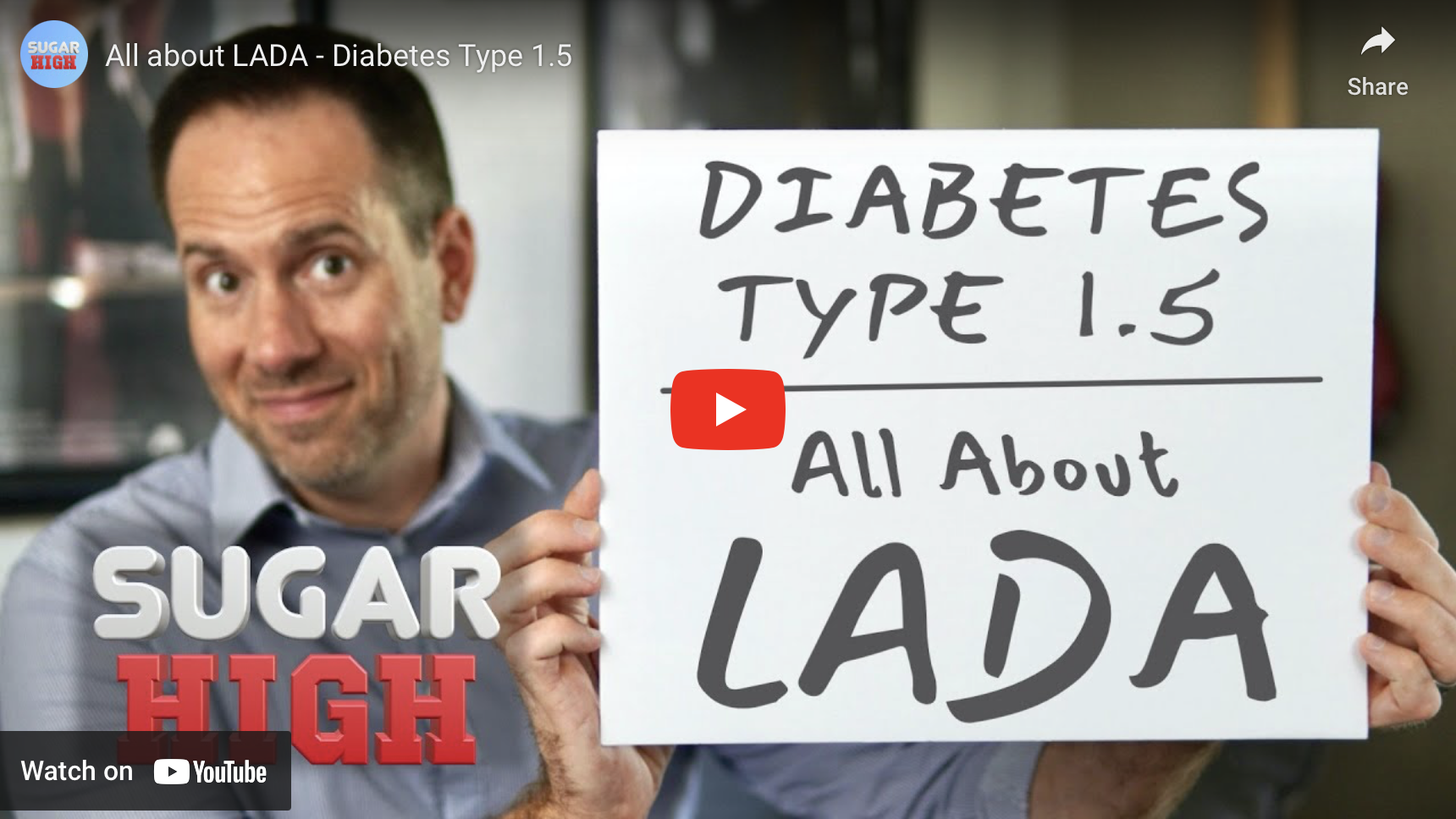
Often misdiagnosed as Type 2 Diabetes, Type 1.5 or Latent Autoimmune Diabetes in Adults (LADA) has characteristics of Type 1 Diabetes yet it occurs later
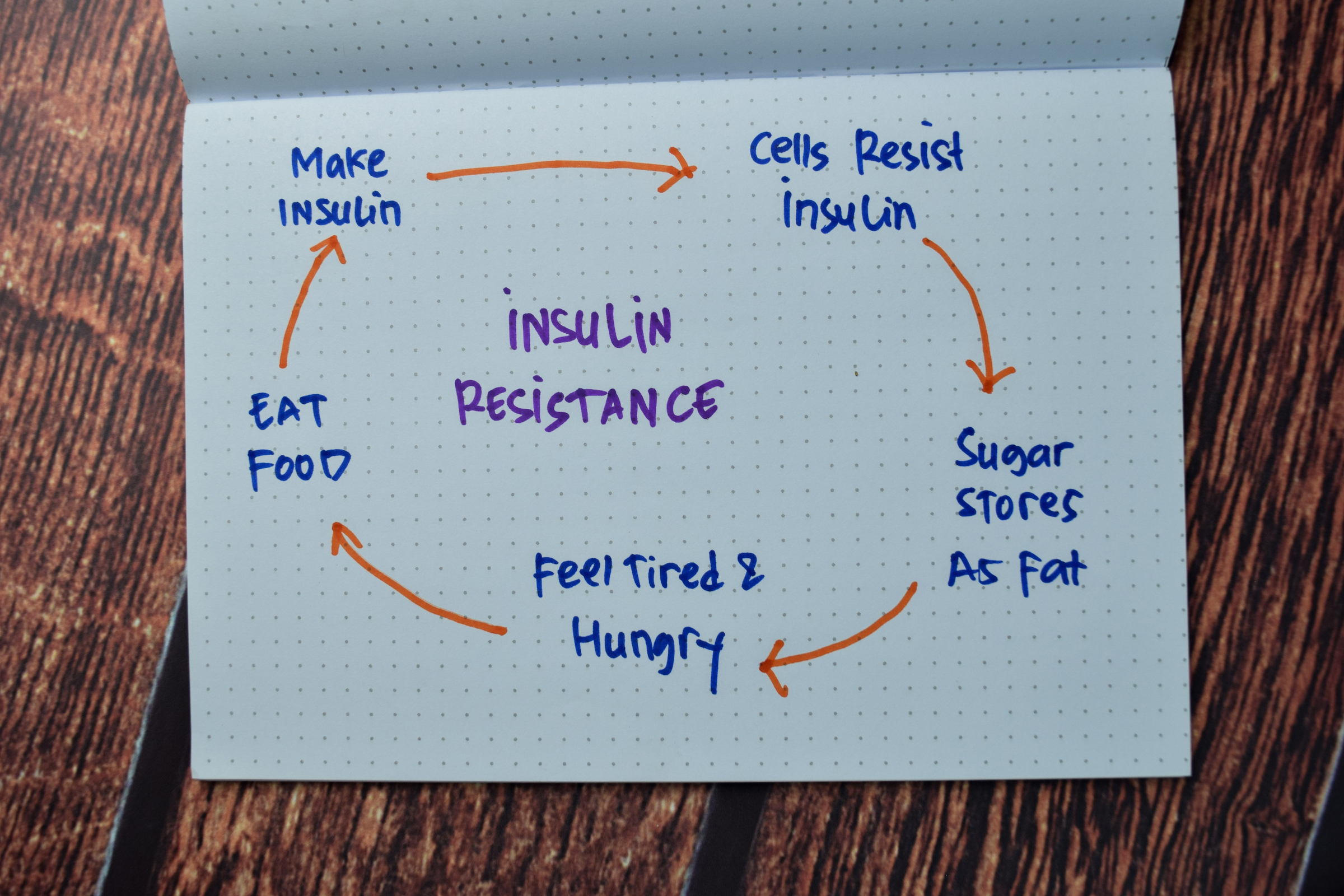
An estimated 1 in 3 Americans have prediabetes and approximately 80% don’t even know it – here’s how vitamin D can help regulate insulin resistance
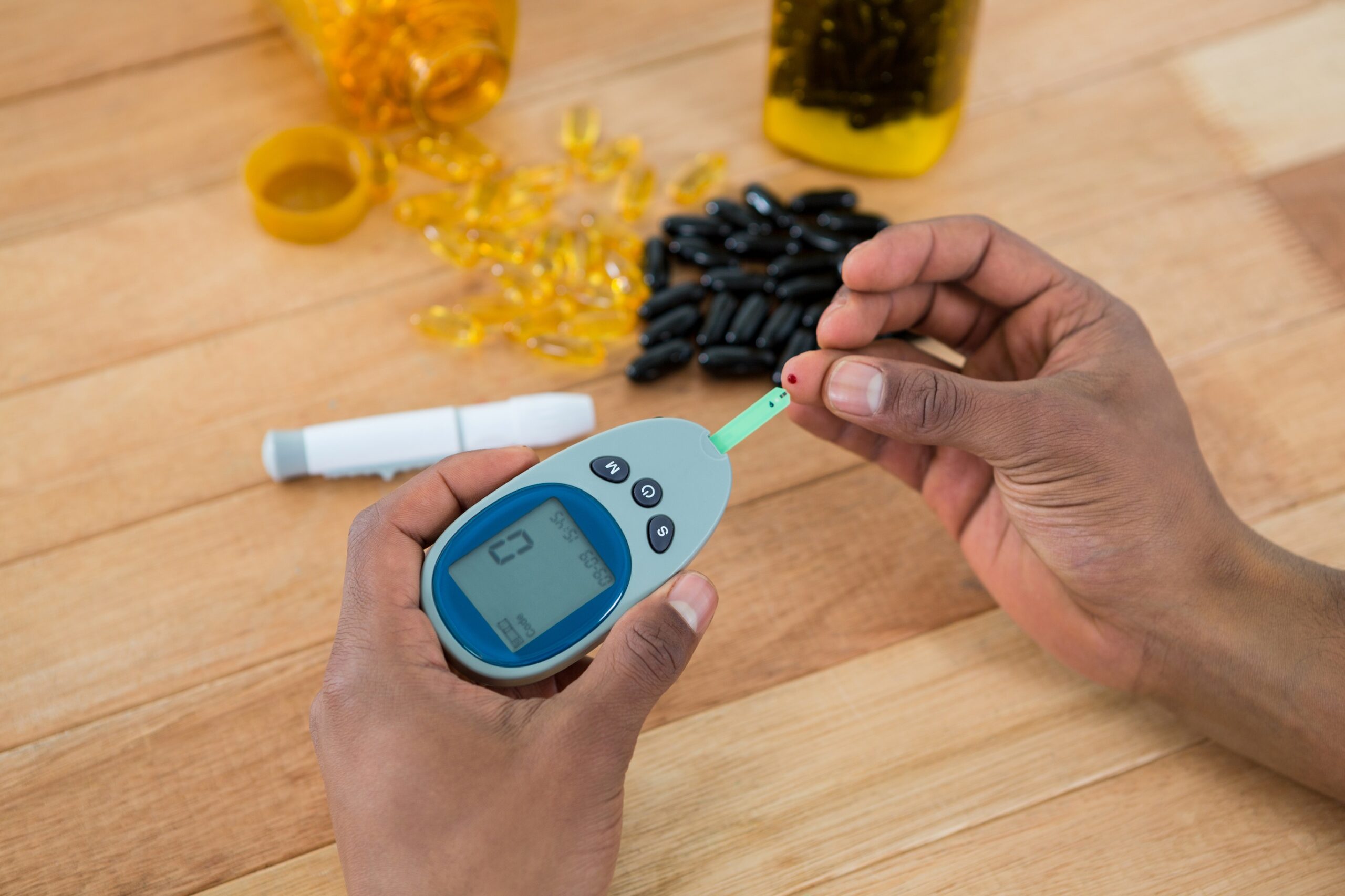
Studies show that lower magnesium intake and status is associated with a higher risk of having or developing type 2 diabetes Key Points Several studies